
Child Presses Too Hard When Writing? Pencil Pressure, Explained — Too Hard, Too Soft, Just Right
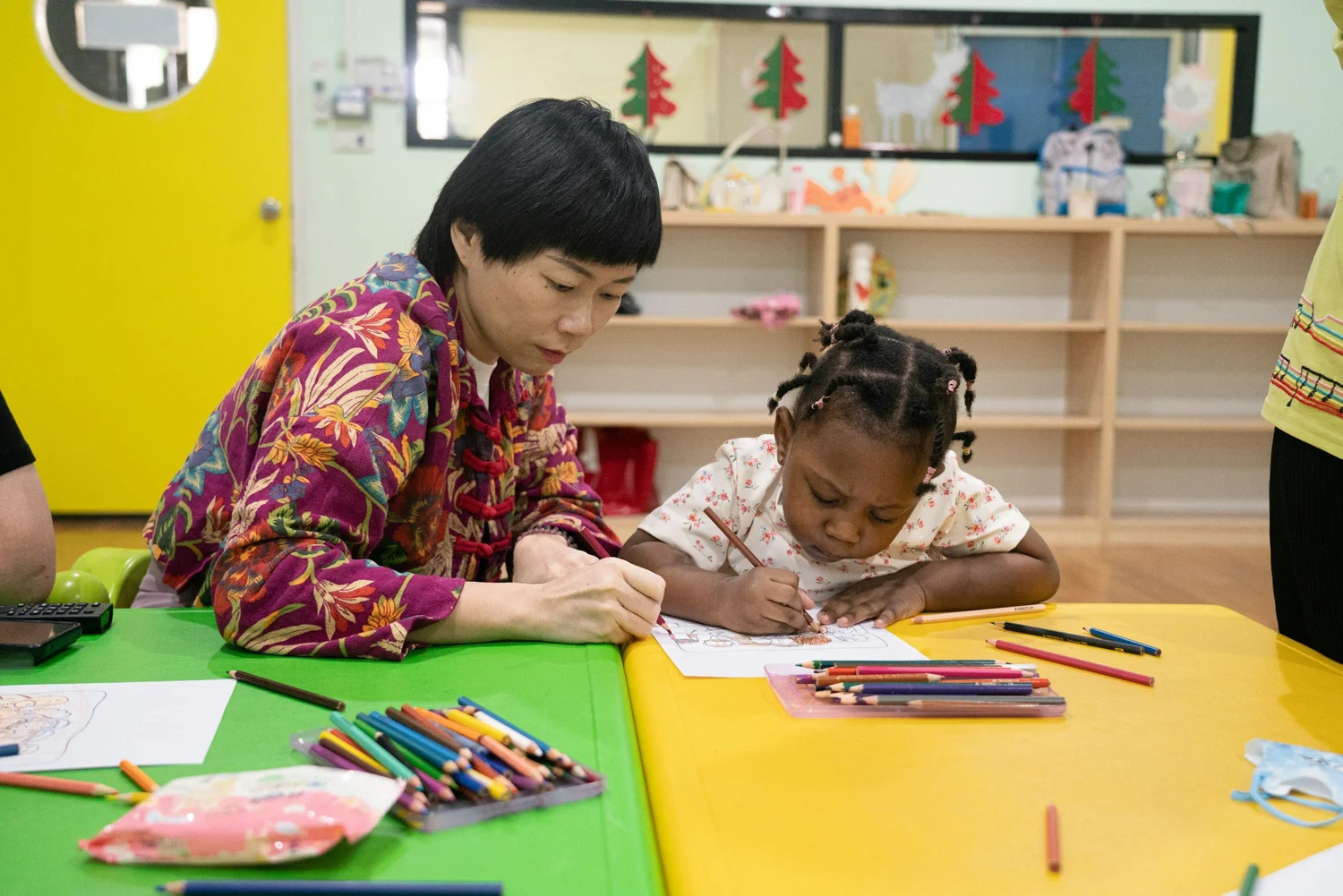
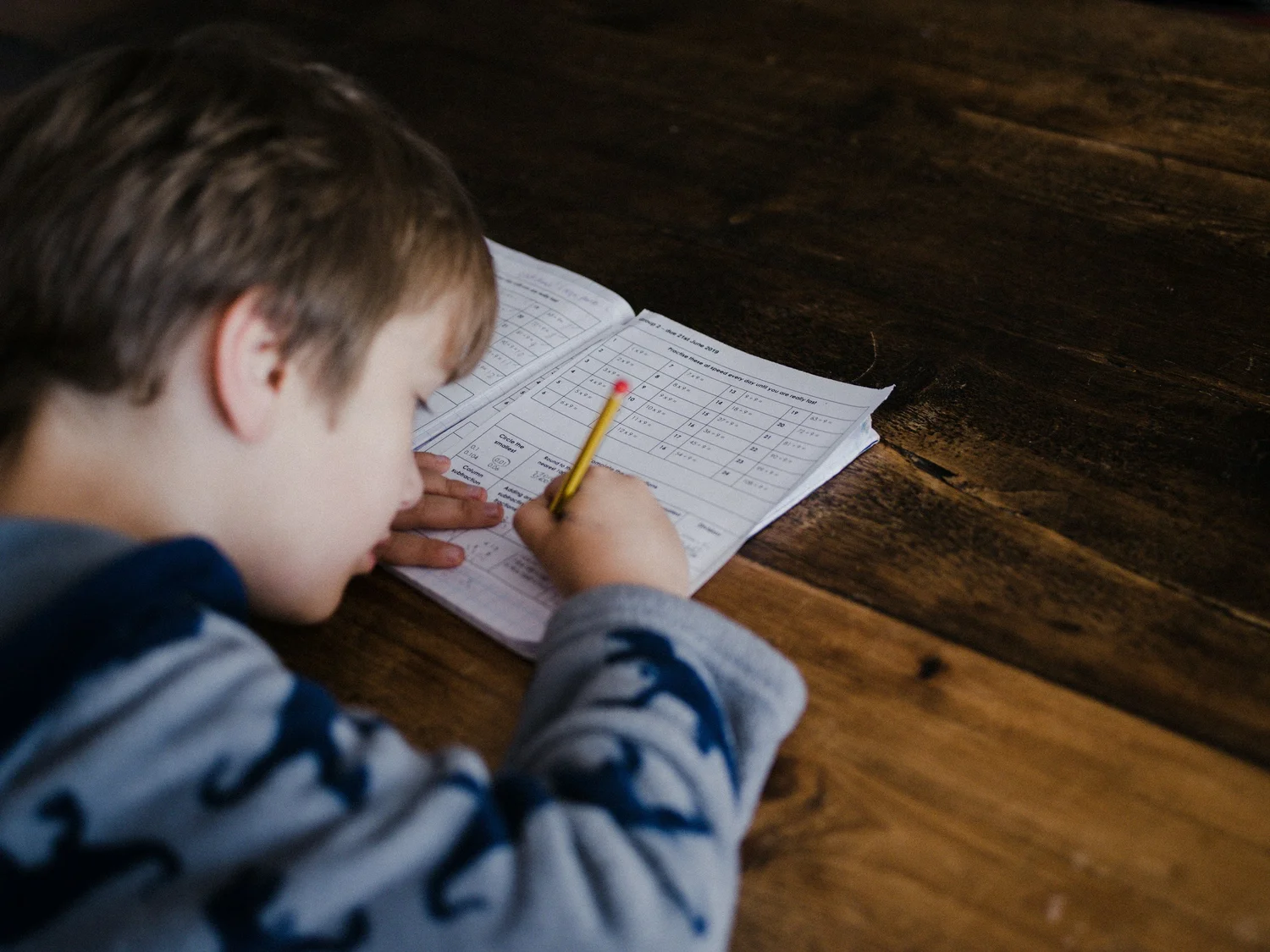
You flip your kiddo's worksheet over and you can read it from the back — every letter pressed in like braille. There's a snapped pencil tip on the table, maybe a hole rubbed clean through the page. Or it's the opposite: letters so faint you have to tilt the paper to the light just to see them. Either way, a little worry pops up: why can't they just write normally? Take a breath.
If your child presses too hard when writing (or barely presses at all), you're looking at one of the most common — and most fixable — things I see. Pressing hard isn't defiance, laziness, or a handwriting "flaw." It's a body still figuring out how much force to send down the arm and into the pencil. That's a real skill with a real name, it develops over time, and there are some genuinely fun ways to build it. Let me walk you through the timeline I use, my go-to trick, and the playful stuff that works at home.
First, the Why: Pressure Is a Feeling, Not a Rule
Here's the piece that makes everything click. Knowing how hard to press comes from a sense called proprioception — your body's built-in "how much muscle am I using?" radar. It's the same sense that lets you carry an egg without crushing it and set a glass down without a bang. Little kids are still calibrating that radar, so they tend to go all-in (white-knuckle, press-to-break) or barely-there (feather-light) before they land in the middle.
A child who presses too hard is usually pressing hard on purpose, without knowing it — the extra force gives their hand more feedback, so they can feel where the pencil is. Often there's a tight, over-gripping hold underneath it, which ties right into how their grasp is developing. My pencil grasp by age guide walks through what a healthy grip looks like as it grows, and it's worth a peek, because grip and pressure travel together.
The Pressure Timeline I Actually Use in Sessions
Before you worry that your kiddo is "behind," read this as a stage guide, not a stopwatch. Pressure control shows up gradually, and wobbly, all-or-nothing pressing is completely normal for years.
2–3 years: big, wild, and heavy is the goal
At this age we want whole-arm scribbling — pressure control isn't even on the menu yet. Broken crayons and heavy marks are a good sign your toddler is exploring force. Hand them chunky crayons and let them go big.
Scribble stage3–4 years: the swings begin
Now you'll see it: stab-hard on one line, ghost-faint on the next. That back-and-forth is the calibrating happening in real time. No fixing needed — just lots of drawing, playdough, and messy sensory play to feed that radar.
Calibrating4–5 years: more control, still inconsistent
As real lines and shapes arrive, most kids can copy a circle and a cross and start easing off the death-grip — but pressure still drifts, especially when they're tired or concentrating hard. A quick reminder ("soft hands!") usually resets it.
Emerging5–6 years: it starts to smooth out
Around kindergarten, most kiddos self-correct their pressure with an occasional cue. If yours is still pressing hard enough to snap tips or tear paper on most days, that's usually a strength-and-awareness thing — very workable with play, not a reason to panic.
Refining6–7+ years: fairly steady
By now pressure should be pretty consistent day to day. If it's still swinging to an extreme — you can't read faint writing, or their hand aches and tires fast from clamping down — that's the point where a friendly check-in makes sense (more on that below).
ConsistentSee how there's no "failing" anywhere on that list? Pressing too hard at four is a Tuesday. Pressing hard enough to hurt at seven is just a nudge to build a little more awareness.
✏️ My go-to trick: "The Mouse-Pad Trick"
This is the fix I reach for first because the page teaches the child for you — no nagging required. Slide a mouse pad, a foam sheet, or a few pages of a magazine underneath their paper before they write. Now the surface has a little give. A kiddo who presses too hard will poke their pencil right through or feel the deep, dragging dent — instant feedback that says "ease up." A kiddo who presses too soft will get almost no mark, so they naturally lean in a bit more. Either way, their own hand finds "just right" in a few minutes, and it sticks way better than you saying "not so hard!" for the hundredth time. Pair it with a fun cue — "draw like you're petting a kitten" for light, "press like you mean it" for faint writers — and you've got a self-correcting system that costs zero dollars.
Playful Ways to Build "Just Right" With Stuff You Already Have
The best pressure practice barely looks like practice. These all build the exact same thing — a hand that knows how much force it's using — while your kiddo thinks they're just playing.
1. Pop bubble wrap two ways
First pop it as hard as you can (big satisfying snaps), then challenge them to pop it so quietly no one can hear. Switching between "loud" and "sneaky" pops is graded-force practice in disguise — and it's ridiculously fun.
Graded force2. Stamp art with a "just enough" rule
Stamps only work with a medium, even press — too soft and it smudges, too hard and it blobs. Set out a stamp pad and let them hunt for the pressure that makes a crisp picture. Sneaky, self-checking, and it feels like art class.
Feedback3. Playdough: pancake vs. tiptoe
Squish a ball flat with a big heavy palm-press, then poke tiny "tiptoe" dots with one gentle finger. Going back and forth between smash and feather teaches the whole range of force — plus playdough builds the hand strength that heavy-pressers are often missing.
Strength4. Paint (or "water paint") on newspaper
Thin paper tears if you press too hard, so painting or drawing on newspaper gives kids a built-in "too much!" signal. Even a dry paintbrush of plain water on the sidewalk works — light strokes show, heavy ones just splat.
Light touch5. Write in a salt tray
Pour a thin layer of salt or sugar on a dark tray and let them draw letters with a fingertip. Press too hard and you scrape the tray; too soft and nothing shows — so they feather-search for the middle. A quick shake erases every "oops," which faint-writers especially love.
SensoryWant a whole stack more of these no-prep, stuff-you-already-own ideas? My roundup of fine motor activities using things you already have is full of clothespin, tong, and squeeze games that quietly grow a steadier hand. And if pressing hard shows up alongside flipped letters, my post on letter reversals (b vs d) untangles what's a normal phase and what's not.
Heads up: this post has Amazon affiliate links. If you grab something through them, Tiny Hands earns a small commission at no extra cost to you — it's what keeps the free worksheets free. Thank you!
Two toys that quietly teach "just right"
You can do all of this with a mouse pad and a ball of playdough — but two things on my shelf make graded-force practice feel like pure play. A little tub of therapy putty is the classic OT hand-builder: squeeze it, pinch it, and hide beads inside for them to dig out, and you're growing the strength and awareness a heavy-presser needs (four resistances so you can nudge the challenge up as they get stronger). And Don't Break the Ice is graded force disguised as a game night — that little mallet has to tap, not smash, which is the exact "how hard do I hit this?" control a pencil needs. Both feel like treats, not therapy.
When to Check In With an OT
First, the reassuring part: pressing too hard is normal for years, and almost every kid grows out of it with the playful practice above. A dented page or a snapped tip is not a red flag — it's a developing hand.
That said, a quick, no-pressure chat with a pediatric OT can be genuinely reassuring if — well past the ages above — you're consistently seeing things like a child whose hand aches, cramps, or tires so fast they give up after a line or two, writing so faint you truly can't read it even when they try harder, pressure that stays all-or-nothing at seven or eight despite lots of practice, or heavy pressing that comes bundled with a painful-looking grip and a real dread of anything with a pencil. A warm-up routine can help a tired, over-gripping hand too — my handwriting warm-ups loosen things up before writing even starts.
None of those is an emergency — they're gentle "let's take a closer look" flags, and there's almost always a simple, playful tweak that helps. You've got this.
Want the print-and-play version?
My Handwriting Practice Pages live in the membership — big, forgiving letter lines with built-in start dots, perfect for a kiddo working on a lighter, steadier hand. Slide a mouse pad underneath, hand them a page, and let it run itself. Ready in about two minutes.
Get the Handwriting PagesNew here? Grab the free pack first 🎁
Join the list and I'll send you the Fine Motor Starter Pack — 40+ print-ready pages to build those little hands at home, from first scribbles to steadier letters.
Send My Free PackWant the whole library, sorted and ready? Peek at the membership →
This post is for learning and support — it isn't a diagnosis. © Tiny Hands