
Letter Reversals: The b/d Flip, Explained
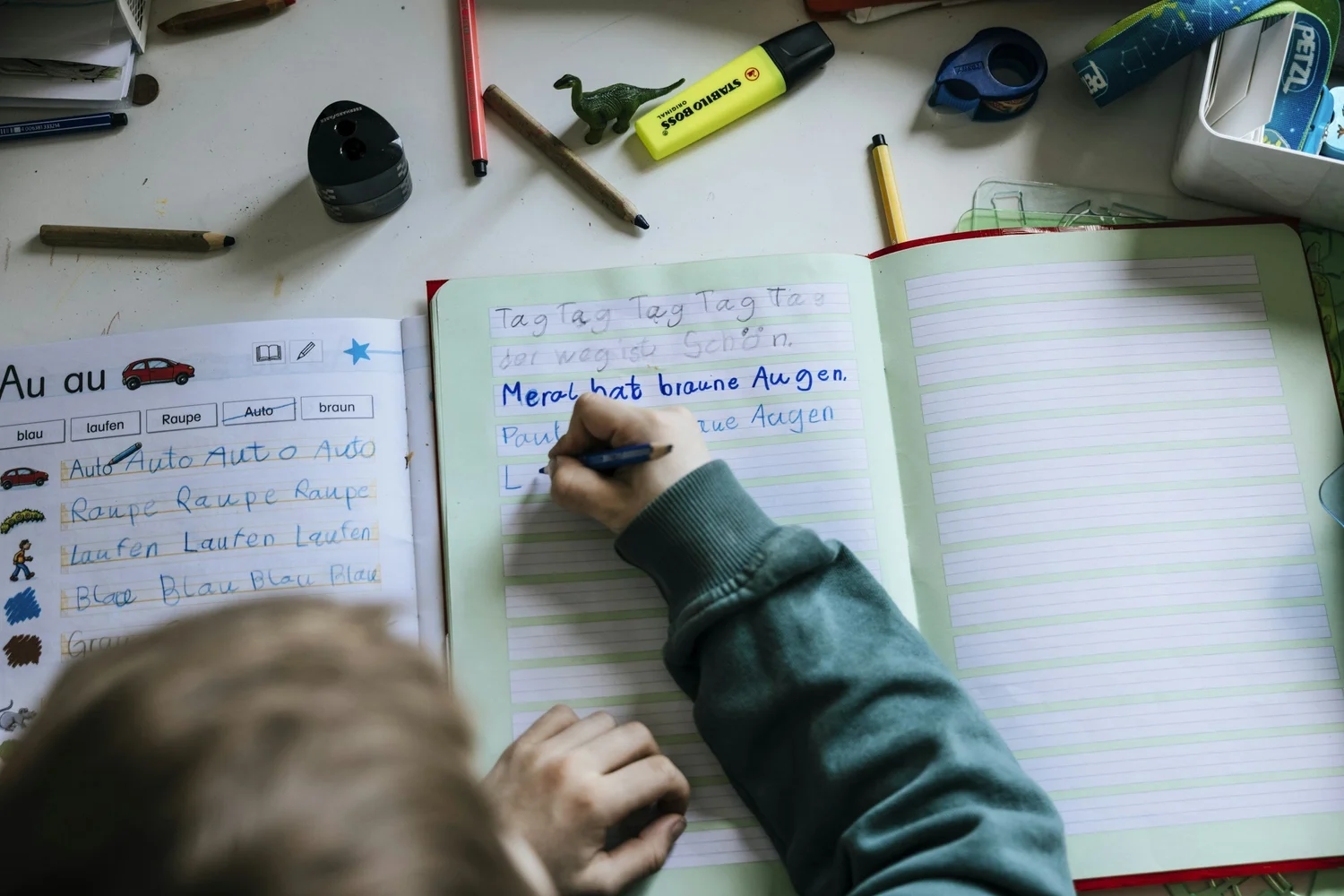
You're peeking over your kid's shoulder while they write, and there it is: a big proud "bog" where "dog" should be. Or a birthday card to Grandma that reads "I love you, Granndma" with three of the letters facing backward. Cue the quiet parent spiral — is this dyslexia? did I miss something? should we be doing flashcards?
Take a breath. I promise you this is one of the questions I get most, and the answer is almost always reassuring: in the preschool and early-elementary years, flipping letters is developmentally normal. Let me explain what's actually going on in that little brain and hand — and the simple, no-tears ways to help.
Why b and d are basically a trap
Here's the thing nobody tells you: b and d are the same shape. A circle and a stick. The only difference is which side the stick goes on — and "which side" is exactly the skill a young brain is still building. For years, a child's brain has been told that a thing is the same thing no matter which way it faces. A cup is a cup whether the handle points left or right. A dog is a dog facing either direction. That's a brilliant, useful rule for the whole world… right up until we hand them letters, where suddenly direction is the entire point.
So a reversed b isn't your child "getting it wrong." It's your child applying a rule that's served them perfectly well everywhere else. The flip is a sign the brain is still sorting out that letters are the one category where left and right matter. That sorting takes time — and a lot of repetition.
When reversals are totally normal
As a rough guide, occasional reversals are expected and not a concern up through about age 7. Here's the lay of the land:
Ages 3–5
Reversals are everywhere and completely typical. Hands and brains are brand new at this. Focus on fun and exposure, not correction.
ExpectedAges 5–7
Still common, especially with b/d, p/q, and numbers like 3, 5, and 7. They're fading slowly as writing gets more automatic. Gentle reminders, not red pens.
Still normalAround 7–8 and up
Most kids have ironed reversals out by now. If they're still frequent and reading or spelling feels like a real struggle, that's the point where a closer look can help.
Worth watchingThe "bed" trick (the one every teacher swears by)
This is the classic for a reason — it works. Have your child make two thumbs-up fists and hold them in front of them, knuckles facing out, so their hands make the shape of a little bed: the left hand is b, the right hand is d, and the word "bed" literally sits between them, spelled left to right. When they get stuck on a b or d, they hold up their "bed" hands and check which one matches. It gives them a body-based anchor instead of a guess — and because it lives in their hands, it travels with them to school.
Always start the letter the right way
Most b/d flips are really a starting-point problem. Lowercase b starts with the line straight down, then the circle. Lowercase d starts with the circle first, then the line. If a child always begins each letter at the correct spot, the reversal mostly takes care of itself — so practice the path, not just the picture. Tracing tools that show where to begin and which way to go are gold here; I love a grooved magnetic tracing board because a finger physically can't go the wrong way, so the correct motion sinks in without a single "no, the other way."
Make it stick with the whole body
Reversals fade fastest when practice is big, multisensory, and zero-pressure. A few of my favorites:
Sky-writing
Have them "write" giant b's and d's in the air with a whole arm while saying the steps out loud: "down, then around." Big movement cements direction better than tiny pencil work.
Texture tracing
Letters drawn in a tray of salt, shaving cream on the table, or sand at the park. The feeling under their finger gives the brain an extra channel to remember which way it goes.
Build it, don't just write it
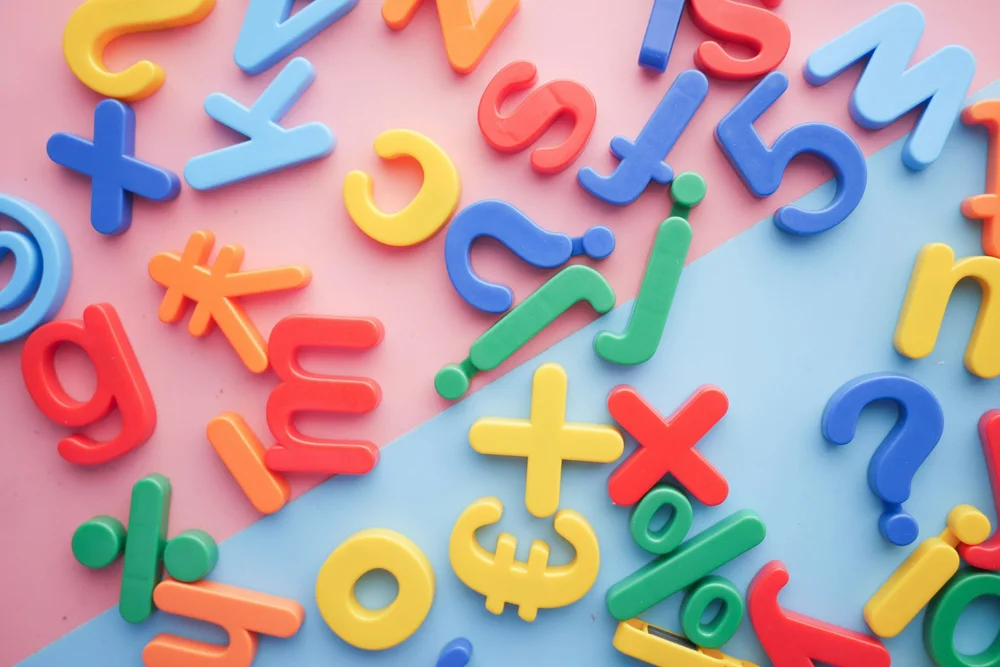
Form b and d out of playdough, wooden sticks, or magnetic letters, then compare them side by side. Seeing them together makes the difference obvious.
Hunt for them
Go on a b/d hunt in a favorite book or on cereal boxes. Spotting correct letters in the wild builds the eye for them without it feeling like work.
Two hands-on ways to practice direction
A grooved tracing board guides the finger down-then-around every single time, and dough mats turn b and d into squish-and-build play — both teach the correct path before it ever has to happen freehand.
Heads up: this post has Amazon affiliate links — if you grab something through them, Tiny Hands earns a small commission at no extra cost to you. Thanks for keeping the free worksheets free!
When it's worth a chat with an OT (or teacher)
Trust your gut, but here's what nudges it from "normal" toward "let's look closer": reversals that are still frequent past about 7–8, reversals paired with real reading or spelling struggles, a child who's genuinely frustrated or avoiding writing, or letters that are reversed and hard to read in other ways too. Reaching out doesn't mean something is wrong — it means someone can figure out whether it's just a maturity thing (usually) or a piece worth supporting, and either way you'll feel calmer knowing.
Fix the b/d Flip
My b/d practice pack — tracing, circle-and-find, color-by-letter, and cut-and-sort — shows kids exactly where each letter starts and which way to go — the single best fix for b/d flips — with clear arrows and plenty of guided practice.
Get It With MembershipThis post is for learning and support — it isn't a diagnosis. Every child sorts out reversals at their own pace. © Tiny Hands