
The Correct Pencil Grip for Kids and How the Tripod Grasp Really Clicks

You glance over at homework time and there it is — your kiddo's whole fist wrapped around the pencil like they're holding a tiny sword, or a sneaky thumb curled clear over the top. You've gently said "hold it like this" about four hundred times, and it slides right back. If you've typed correct pencil grip for kids into your phone after yet another wrestling match at the table, welcome — you're in exactly the right spot.
Here's the deep breath I give parents in my office. An awkward grip at three, four, even five is usually not a red flag — it's a totally normal stop on the way to a mature grasp. Little hands build a pencil grip in stages, from the shoulder inward, and you genuinely can't nag a child into a stage their hand isn't ready for yet. The good news? The thing that actually grows a strong tripod grasp isn't a worksheet or a reminder — it's play. Let's walk through what "correct" really means, and the sneaky, no-pressure ways to help it click.
What a "Correct" Pencil Grip Actually Looks Like
The gold standard we aim for is the dynamic tripod grasp: the pencil pinched between the thumb and pointer finger, resting on the middle finger, with the ring and pinky curled softly into the palm. "Dynamic" is the key word — the fingers do the writing, wiggling in little movements, instead of the whole arm dragging the pencil around.
But — and this matters — the tripod isn't the only correct grip. A quadrupod (two fingers on the pencil instead of one) is completely functional too. What I really care about isn't the exact finger count; it's three things: is it comfortable, does it last without the hand tiring or aching, and can the fingers move? If a grasp checks those boxes, it's doing its job. Now, here's the by-age timeline I actually use, so you know where your kiddo is on the map.
1–2 years: the whole-fist grab
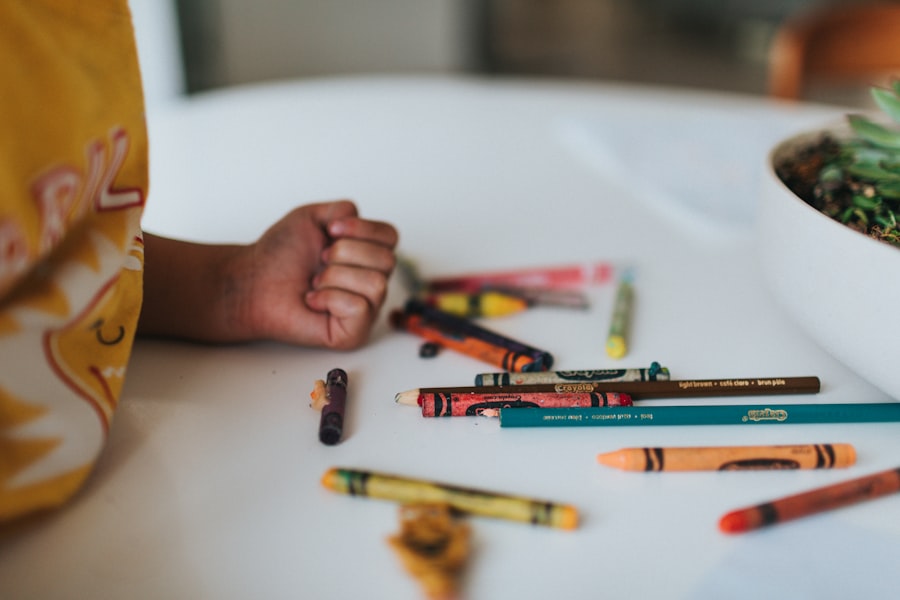
Crayon clutched in a full fist, knuckles up, coloring from the shoulder with big whole-arm sweeps. This looks nothing like a pencil grip, and that's exactly right. This is the "make a mark, cause and effect" stage — hand it fat crayons and cheer the scribbles.
Totally normal2–3 years: all fingers on, wrist turned down
Now all the fingers are on the crayon with the wrist rolled so the palm faces down (we call it a digital pronate grasp). Movement is still coming from the elbow and shoulder. Perfectly on track — the hand is getting the fingers involved for the very first time.
On track3–4 years: the first tripod (a wobbly one)
Here comes a static tripod or quadrupod — thumb and fingers finally pinching near the tip, but the fingers still move as one stiff unit, powered by the wrist. It looks close to "right" but isn't smooth yet. This is a big milestone, and it's normal for it to look a little clumsy.
Milestone4–6 years: the dynamic tripod settles in
The fingers start doing the fine little movements while the wrist and hand stay steady — the mature, efficient grasp. Most kids land here somewhere between 4 and 6, and some take until 6 or 7. If your five-year-old's grip is still finding itself, that is well within normal.
MaturingSee the pattern? The grip travels from the shoulder, to the elbow, to the wrist, and finally out to the fingertips. You can't skip a stop — but you can build the hand strength and pinch that carry a child to the next one. Which brings me to my very favorite trick.
🤫 My go-to trick: "The Pom-Pom Tuck"
This is the single move I reach for most, and it takes ten seconds. Tuck a small pom-pom, cotton ball, or a little scrap of tissue into your child's palm and have them hold it there with just the ring and pinky fingers while they color or write. Those two "resting" fingers are supposed to curl quietly into the palm during a tripod grasp — but on a wobbly grip, they keep creeping onto the pencil and taking over. Giving them a tiny job (guard the pom-pom!) tucks them away automatically, which frees up the thumb, pointer, and middle finger to do the writing. No reminders, no "hold it like this" — the hand just organizes itself around the little treasure. Make it a game: "Don't let the mouse escape!" I've watched grips transform in a single sitting with this one. Bonus — pinching to keep the pom-pom put is quietly building the exact hand strength a strong grasp needs.

Sneaky Ways to Grow a Grip With Stuff You Already Have
A pencil grip is really a hand-strength-and-pinch story. Build the muscles and the coordination, and the "correct" grip tends to fall into place on its own. Here are the no-prep ways I hand out most — none of them look like handwriting practice, which is exactly why kids say yes.
Break the crayons in half
The oldest OT trick in the book. A tiny, stubby crayon (or a golf pencil) is too small to fist — little fingers have no choice but to pinch it, just like a tripod. Snap those crayons in two and don't feel one bit guilty about it. Peeled-and-broken crayons are secretly the best ones. It pairs beautifully with the way a toddler's fist grip naturally grows up.
FreeColor on the wall (an easel or taped-up paper)
Tape the paper to the wall, the fridge, or a window and let them draw standing up. A vertical surface automatically lifts the wrist into extension — the exact position a good pencil grip loves — and it sneaks in shoulder strength too. Chalk on the fence counts. So does a bath crayon on the tub wall.
Big favoritePinch, tear, and pick up tiny things
Anything that makes those first three fingers work is a win: tearing paper, popping bubble wrap, peeling stickers, picking up cereal or beads one at a time, snapping Lego. These pincer-and-strength games are the real foundation — you'll find a whole pile of them in my roundup of fine motor activities using things you already have.
No prepSquish, roll, and hide treasures in playdough
Rolling snakes, pinching spikes on a dough "dinosaur," and digging out little buried beads all build the deep hand strength a pencil rides on. Warm-up dough play before writing is one of the easiest wins there is — I lean on it for exactly this in my handwriting warm-ups.
StrengthSpray bottles and clothespins
A little spray bottle "watering the plants" (or misting the shower wall) is a sneaky whole-hand workout, and clipping clothespins onto a bucket rim isolates that thumb-and-pointer pinch perfectly. Both feel like play and build the same muscles a tripod grasp needs.
PlayfulPick two or three, sprinkle them through the week, and let the pencil practice stay light. Strong, coordinated hands make a good grip almost inevitable — no table battles required.
Want the print-and-go version?
My Handwriting Pages live in the membership — grip-friendly tracing and letter practice that starts big and easy and grows with your kiddo, so those little fingers build a strong grasp on the way to real writing. Print, hand over a broken crayon, and you're set.
Get the Handwriting PagesHeads up: this post has an Amazon affiliate link. If you grab something through it, Tiny Hands earns a small commission at no extra cost to you — it's what keeps the free worksheets free. Thank you!
The claw-style grip that blocks a sneaky thumb-wrap
First, the honest part: a pencil grip is a helper, not a magic fix, and most kids grow a good grasp through the play above without one. But when a grasp keeps collapsing the same way — usually a thumb that wraps clear over the pencil no matter how many times you fix it — a physical grip can be the gentle boundary that finally makes it click. This is where I like the Crossover Grip: its little "wings" cross over the fingers so that wandering thumb literally can't take over, which nudges the hand into a tripod without a single reminder from you. I reach for it when a child is around five or older, already has some hand strength, and just keeps defaulting to the same awkward hold. Slip it on a few favorite pencils, keep it low-key, and pair it with the pom-pom tuck and the play above — the grip guides, the play builds. If your kiddo's grasp is comfy and works, you don't need one at all.
A simple one to try first
Not every kiddo needs the Crossover — sometimes a softer, simpler grip is all it takes. These training pencil grips are soft, molded finger pockets that gently guide a grasp into place, and they're a nice, low-cost pair to test before you invest in a whole set.
When to Check In With an OT
For the vast majority of kids, an "off" pencil grip is just a stage — you build the hands with play, stay patient, and the tripod shows up on its own timeline. So please don't hover over every crayon hold. A grip that's comfortable, doesn't tire out, and lets the fingers move is a grip that's working, even if it doesn't look like the picture in a book.
That said, it's worth a friendly, no-pressure chat with an occupational therapist if — around age five or six and beyond — you're still seeing things like a full-fist grip with no thumb-and-finger pinch at all, a hand that cramps, aches, or gives out after just a minute or two of coloring, a kiddo who flat-out avoids drawing and writing because it's uncomfortable, constant switching between hands past age four or five, or a grasp so awkward that letters are a real struggle and frustration is building. Pain and avoidance are the two flags I most want you to notice.
None of those mean something is wrong — they're just gentle "let's take a closer look" signs, and an OT can usually spot the missing piece (often hand strength or stability) and hand you a couple of playful fixes. If you want to keep going, my honest breakdown of whether pencil grips actually work pairs perfectly with this post, and my handwriting warm-ups has more ways to build the strength this grip rides on. Build the hands, skip the nagging, and let that grip grow up on its own schedule. You've got this — and so do those little fingers.
New here? Grab the free pack first 🎁
Join the list and I'll send you the Fine Motor Starter Pack — 40+ print-ready pages to build those little hands at home, from first pinches to strong little grips.
Send My Free PackWant the whole library — including the grip-friendly handwriting pages — sorted and ready? Peek at the membership →
This post is for learning and support — it isn't a diagnosis. © Tiny Hands