
Handwriting Warm-Ups: 10 Quick Hand Exercises Before the Pencil Even Moves
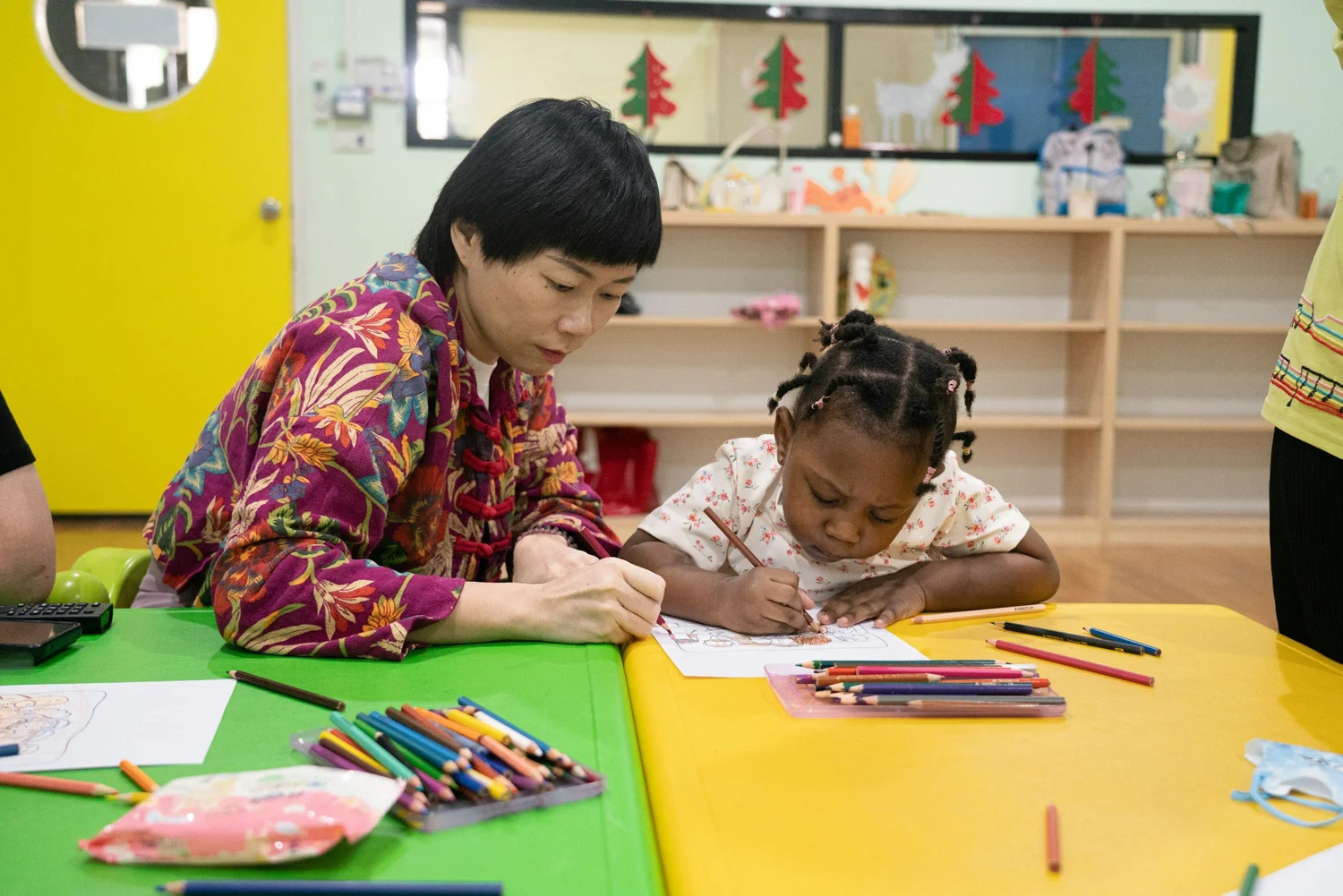
You sit your kiddo down to practice letters, and within about ninety seconds you hear it: "My hand hurts. I'm done." Cue the flopping, the death-grip on the pencil, the letters that get shakier by the line. If that's a familiar scene at your kitchen table, I promise it's not laziness — and the fix is smaller than you'd think. A quick round of handwriting warm-up activities before the pencil ever touches paper can turn that whole standoff around.
Here's the thing we do in therapy that nobody tells parents: we almost never start with writing. We warm the hands up first. Athletes stretch before they run; little hands need the same courtesy before they're asked to do the fussiest fine-motor job there is. Take a breath — this is the easy part, and it's honestly kind of fun.
Why Warm Up the Hands at All?
Handwriting is a whole-body skill wearing a tiny disguise. To form a neat letter, a kiddo needs a stable shoulder, a steady wrist, strong little finger muscles, and the endurance to keep it all going for more than a minute. Cold, unprepped hands have none of that ready to go.
When we warm up first, we're "waking up" those muscles and joints, getting blood flowing to the hands, and — my favorite part — giving the brain a heads-up that focused hand work is coming. It's the difference between being shoved awake and being gently nudged. The letters that come after a warm-up are almost always rounder, steadier, and produced with a lot less complaining.
And the best part: a good warm-up takes one to two minutes. That's it. You're not adding a chore — you're removing ten minutes of friction.
The Warm-Up Order I Use in Sessions
I don't warm up hands at random. I work big-to-small: wake up the big stuff (shoulders and arms) first, then the wrists, then the little finger muscles, then a quick coordination piece. Here's the exact order, and roughly when each one matters most.
1. Big-arm wake-ups (shoulders first, always)
Wall push-ups, "gorilla arms" swinging, animal walks across the room, or ten seconds of chair push-ups. The shoulder is the anchor the whole hand writes from — a wobbly anchor means a wobbly pencil. Start here every single time.
Proximal stability2. Wrist & forearm wakers
Prayer-hands press, wrist circles, or "shaking off the water" like they just washed their hands. A stable, slightly-extended wrist is what lets the fingers move freely. Ten seconds each is plenty.
Wrist control3. Finger strength & squeezes
This is the heart of it: squeezing putty, a stress ball, or a sponge; "crab pinches" with thumb-to-each-finger; or popping bubble wrap. Strong intrinsic hand muscles are what hold a pencil without white-knuckling it. For a full daily plan built around this exact piece, my hand strengthening exercises for kids post has you covered.
Intrinsic strength4. Pincer & tip-to-tip precision
Picking up something tiny — a bead, a mini pom-pom, a piece of cereal — with just the thumb and pointer. This is the exact grip the pencil needs, so it's the perfect bridge from warm-up to writing.
Pencil grip prep5. A quick coordination finisher
Finger taps ("touch each finger to your thumb, fast!"), a couple of rounds of finger-play songs, or tracing a big shape in the air. It ties the woken-up muscles together and tells the brain, "okay — hands ready, here we go."
Motor planningIf you only have time for two, do a big-arm wake-up and a finger squeeze — the shoulder and the little hand muscles are the two that matter most for handwriting endurance. Want the deeper backstory on why the grip itself develops the way it does? My guide to the correct pencil grip for kids walks through exactly that.
✏️ My go-to: the "Wake-Up 5" trick
When a kiddo dreads writing, I don't announce "handwriting time." I say, "Let's do our Wake-Up 5!" and we run through five silly ten-second moves before the pencil ever appears: gorilla arms, spider push-ups, squeeze the putty, crab pinches, and finger taps. It takes under a minute, it feels like a game instead of work, and by the time we sit down the hands are ready and the mood has flipped from "ugh" to "okay." I count them off on my fingers so the child can predict the finish line — little kids will do almost anything if they can see the end coming. Same five moves, same order, every time, so it becomes a routine their hands recognize.
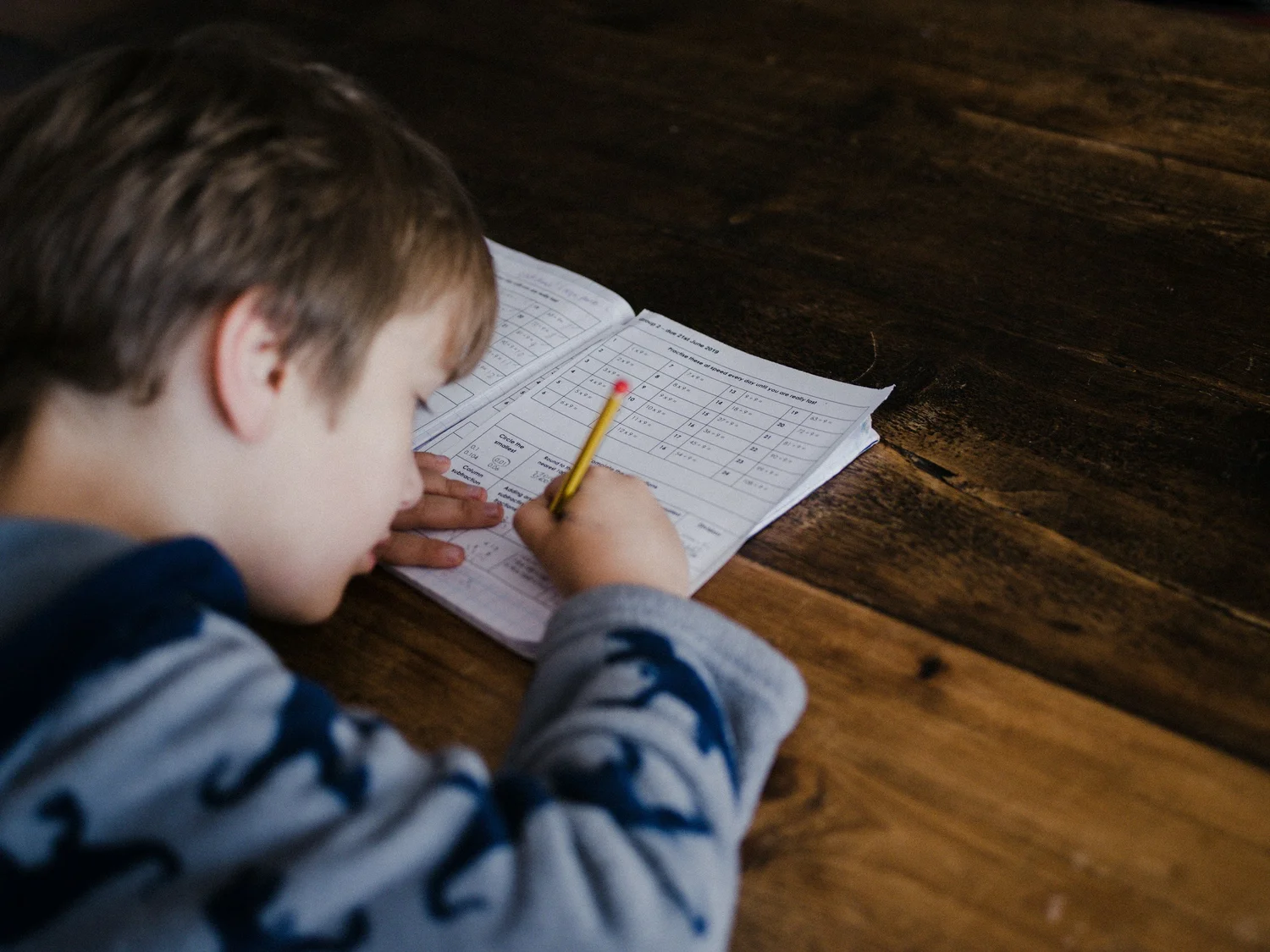
10 Hand Warm-Ups With Stuff You Already Have
You don't need a therapy cabinet for any of this. Here are ten quick warm-ups built from things already floating around your house — pick two or three before writing and rotate so it stays fresh.
1. Wall or animal walks
Wall push-ups, bear crawls, or crab walks across the kitchen. Ten seconds of weight through the arms lights up the shoulders — the stability every letter is built on.
Big-arm2. Sponge squeezes
Wet a sponge in one bowl, squeeze it out into another. It's a sneaky-strong grip workout, and most kids will happily do it ten times because water is involved.
Grip strength3. Bubble wrap pops
Pop a row with just thumb and pointer. Each pop is a tiny pincer rep — and the satisfying snap keeps them going far longer than "do this exercise" ever would.
Pincer4. Coin (or bead) shuffle
Hide a few coins in the palm, then push them one at a time to the fingertips without the other hand. This "in-hand manipulation" is advanced little-hand work and a fantastic pre-writing waker.
In-hand skills5. Tong or tweezer transfers
Move pom-poms or cotton balls from bowl to bowl with kitchen tongs or tweezers. The squeeze-and-hold is exactly the muscle pattern a pencil needs.
Grip + release6. Clothespin pinches
Clip clothespins around the edge of a container, or clip them onto a matching color. Open-close-open builds the thumb-and-two-finger "tripod" muscles that hold the pencil.
Tripod prep7. Balloon or ball squeezes
A slightly-underinflated balloon or a soft ball, squeezed ten times per hand. Simple, strong, and a great one to keep in the "warm-up basket" by the table.
Whole-hand8. Spider push-ups
Fingertips of both hands touching like a spider on a mirror, then push the palms apart and back together. Tiny move, big activation of the small hand muscles — and kids love the name.
Intrinsics9. Finger taps & songs
Touch each finger to the thumb in order, then backward — or run through "Itsy Bitsy Spider" once. Coordination plus a little rhythm wakes up the motor-planning side of writing.
Coordination10. Sky-writing big shapes
Draw giant circles, lines, and zig-zags in the air with a whole arm, then shrink them smaller and smaller. It rehearses the exact strokes letters are made of — the same developmental order in my pre-writing skills guide.
Stroke rehearsalDo these right before name practice or letter work and you'll feel the difference in the very first line. Speaking of name practice — once the hands are warm, my step-by-step on teaching your child to write their name is the natural next thing to try.
Want the print-and-go version?
My Handwriting Warm-Up Cards live in the membership — each card is one quick exercise with a picture, so your kiddo can flip to a card and do it without you running the show. Print them, put them on a ring by the table, and warm-ups run themselves. Ready in about two minutes.
Get the Warm-Up CardsHeads up: this post has an Amazon affiliate link. If you grab something through it, Tiny Hands earns a small commission at no extra cost to you — it's what keeps the free worksheets free. Thank you!
The hand-strengthener I keep in the warm-up basket
Squeezing is the single best hand warm-up there is, and while a sponge works in a pinch, I love keeping a little tub of therapy putty (or a set of graded hand-strengtheners) right by the table. Different resistances let you nudge the challenge up as those muscles get stronger, and hiding beads or coins in the putty to "dig out" turns a strengthening drill into a treasure hunt. It's the one warm-up tool worth owning.
When to Check In With an OT
A little "my hand's tired" is completely normal, especially early on — endurance is a muscle like any other and it builds slowly. Warm-ups plus short, frequent practice fix most of it. But a quick, no-pressure chat with a pediatric OT or your child's provider can be reassuring if, well into the school years, you're consistently seeing things like a kiddo whose hand fatigues after just a word or two no matter how much they practice, a grip so tight the fingers turn white and the pencil keeps snapping through paper, hand cramping or shaking that seems out of step with same-age peers, or a child who avoids all writing and coloring so completely it's affecting school.
None of those is an emergency — they're just gentle "let's take a closer look" flags, and often there's a simple strengthening or positioning tweak that helps. Watching a kiddo go from "my hand hurts, I'm done" to happily filling a whole page is one of my favorite parts of this job. You've got this.
New here? Grab the free pack first 🎁
Join the list and I'll send you the Fine Motor Starter Pack — 40+ print-ready pages to build those little hands at home, from first snips to strong little grips.
Send My Free PackWant the whole library, sorted and ready? Peek at the membership →
This post is for learning and support — it isn't a diagnosis. © Tiny Hands