
Do Pencil Grips Actually Work? An Honest OT Answer
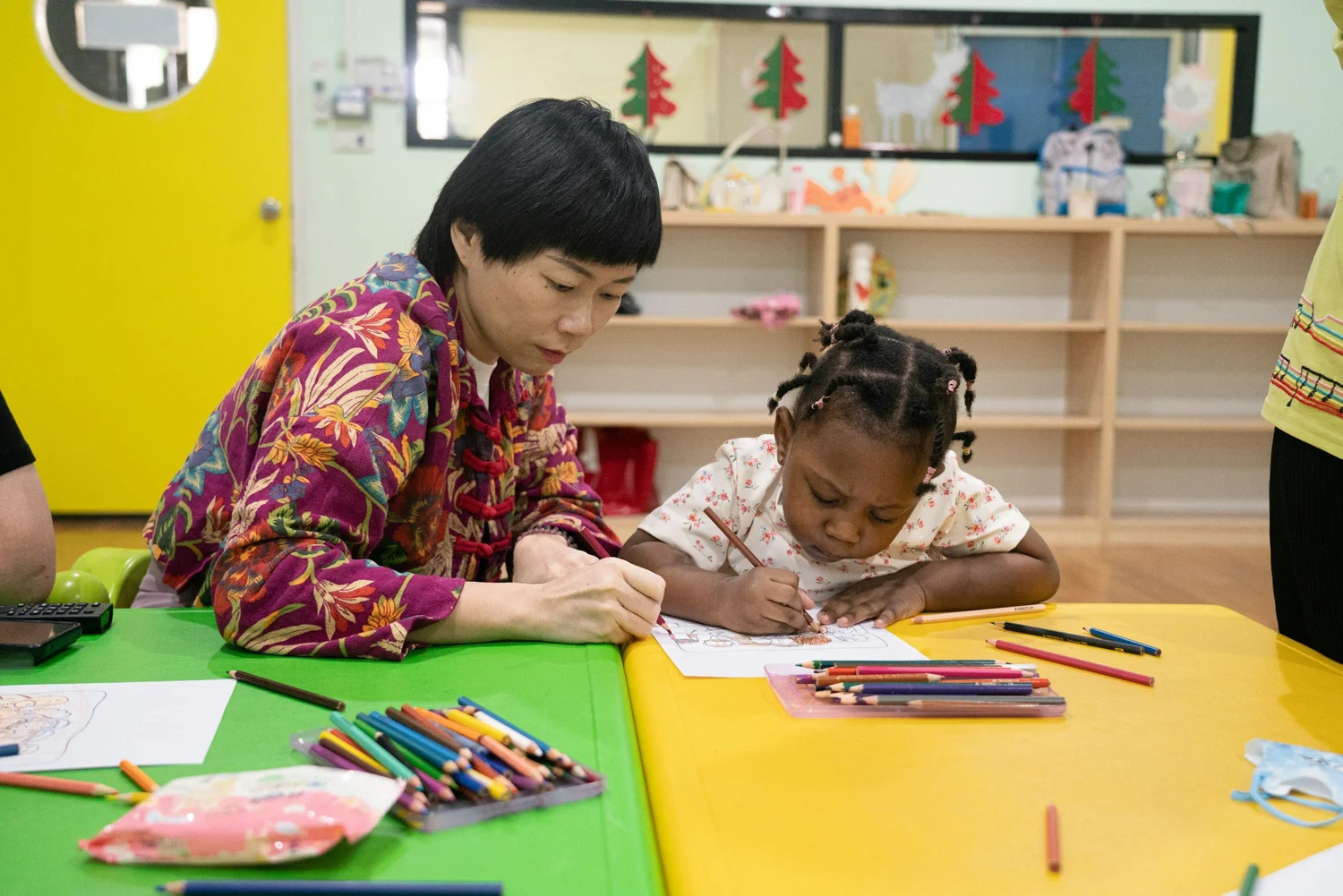
You saw the wonky pencil hold, panic-bought a bag of squishy rubber grips, slid one on… and either your kiddo's writing magically looked neater, or they picked it off in four seconds and used it as a tiny catapult. So — do pencil grips actually work? It's one of the most common questions parents and teachers DM me, and the real answer is the frustrating-but-freeing kind: sometimes, for the right kid, for the right reason.
Take a breath, because this is genuinely good news. A pencil grip is a tool, not a cure — and once you know what it can and can't fix, you stop wasting money on the wrong ones and start reaching for the thing that'll actually help your kiddo. Let me walk you through it the way I do in sessions.
First, What a Pencil Grip Can and Can't Do
Here's the piece nobody tells you: a pencil grip doesn't build a good grasp. It can't add hand strength, it can't grow the little muscles, and it can't teach the fingers a new habit on its own. What a good grip can do is give the fingers a physical place to land — a bump or a hollow that nudges them into a better spot so the right pattern feels natural instead of forced.
Think of it like training wheels. Training wheels don't teach balance; they hold a bike upright long enough for balance to build. A pencil grip is the same — a helpful scaffold while the real skill (strength, control, motor memory) catches up underneath. That's why it works beautifully for some kids and does nothing for others: it depends entirely on why the grasp looks off in the first place.
And a quick reassurance before we go further: a "weird" pencil hold is often completely fine for the age. Before you grip-shop, it's worth knowing what's actually expected — my post on the correct pencil grip for kids lays out the normal timeline, and if you've got a toddler still fisting the crayon, this one on the toddler fist grip will save you a lot of worry. For a low-cost first try, my hair-tie pencil grip trick is worth a look too — it's the cheapest "grip" in the book.
Match the Grip to the Actual Problem
This is the part that makes grips finally make sense. There's no single "best" grip — there's a best grip for a specific issue. Here's the cheat sheet I use to match one to a kiddo instead of guessing.
The problem: fingers too close to the tip (or a white-knuckle clamp)
A chunky bulb or ball-shaped grip pushes the fingers back up the pencil and spreads them out, which naturally loosens a death grip. Great first grip for a kiddo who writes with their nose an inch from the paper.
Try: bulb gripThe problem: thumb wraps over the fingers (thumb-tuck / thumb-wrap)
A molded "cradle" or winged grip — the kind with defined dents for each finger — gives the thumb and pointer their own spots so they stop crossing over each other. This is the classic OT go-to for the thumb-wrap.
Try: molded cradle gripThe problem: all fingers, no thumb-and-two-finger tripod
A three-sided or "pinch" grip physically only has three landing spots, so the extra fingers have nowhere to pile on. It gently sorts a whole-hand grab into a tripod.
Try: tripod / pinch gripThe problem: presses way too hard (or way too soft)
Honestly? A grip won't fix pressure — that's a strength-and-feedback thing, not a finger-placement thing. Skip the grip here and work on hand strength and heavy-work play instead. A grip on a too-hard presser often just gets squeezed to death.
Not a grip fixThe problem: the grip becomes a fidget or a chew toy
If your kiddo can't leave it alone, they're telling you they aren't ready for it yet — the hand needs more strength before a grip helps. Pull it off, play more, and revisit in a few weeks. No harm done.
Wait & build first
My Signature Trick: The Two-Week Test
Before you decide a grip "works," give it what I call the Two-Week Test. Slide the grip on, then have your kiddo do just five minutes of easy, fun writing or coloring a day — no marathon worksheets, no pressure. You're watching for one thing: does the hold look easier and more relaxed by the end of two weeks, or is it the same struggle with an extra rubber bump?
If it's easier — wonderful, the grip is doing its scaffolding job; keep going. If nothing's changed, that's your answer too: this kiddo needs strength first, not a placement tool. It saves you from that limbo of buying grip after grip hoping the next one is magic. Two weeks, five minutes a day, then decide.
And here's the trick within the trick: use the grip on things that aren't writing. Clip it onto a paintbrush, a pointer for "I spy," a wet chalk stick, a spoon for stirring pretend soup. The more relaxed and playful the tool, the more the fingers settle into the good pattern without a kiddo tensing up because it's "handwriting time."
The Real Fix Is Under the Grip: Play That Builds the Hand
Because a grip only scaffolds, the actual magic is growing the strength and control that hold a tripod on its own. The best news? It looks nothing like drills. These are the hand-builders I lean on — all stuff you've already got.
Break the crayons
Snap crayons into stubby little inch-long pieces. A tiny nub is physically too small to fist — the hand is forced into a pinch. It's the cheapest "pencil grip" there is, and it works on the muscle instead of around it.
Pincer · tripodPaint (or draw) on a vertical surface
Tape paper to the wall, the fridge, or an easel. Working upright pulls the wrist back into the strong "ready to write" position and wakes up the shoulder — the quiet foundation a steady grasp is built on.
Wrist · shoulderClothespins, tweezers & pom-poms
Pinching clothespins or plucking pom-poms with tweezers is a straight-up thumb-and-two-finger workout — the exact muscles a tripod grasp runs on. Sort them by color and you've bought yourself ten minutes, too.
Pinch strengthThe coins-in-the-piggy-bank game
Hand your kiddo a stack of coins or buttons to feed into a slot one at a time. Holding a few in the palm while the fingertips push one out is sneaky in-hand control — that little skill is what lets fingers adjust a pencil mid-word.
In-hand · controlWant the ready-made handwriting and letter-formation pages to practice on once the hand's ready? They're waiting for you in the membership.

Want the print-and-play version?
My letter-formation practice pages live in the membership — big, arrow-guided letters to build the pattern once those little muscles are ready. Laminate them and reuse forever. Ready in about two minutes.
Get the Letter Formation PagesHeads up: this post has an Amazon affiliate link. If you grab something through it, Tiny Hands earns a small commission at no extra cost to you — it's what keeps the free worksheets free. Thank you!
The three grips I actually reach for
When a grip is the right call, these are my go-tos — and which one depends on the kiddo. The soft Original teardrop is a gentle first try for most hands. The Crossover is my pick when a sneaky thumb-wrap keeps taking over, because the little wings physically block it. And the chunky egg grips are lovely for younger kids still using a whole-hand grab. All three fit standard pencils — grab whichever matches the hold you're seeing.
When to Check In With an OT
Grips and games are play, not a test, and most funky pencil holds smooth out with time and strong little hands. But a quick, no-pressure chat with a pediatric OT can be reassuring if — well past the early school years — you're still seeing things like a grasp that stays fisted or very tight and tires fast after just a minute or two, a hand that keeps switching (left, right, left) with no clear favorite by around age 5–6, or a kiddo whose writing hurts or who avoids all coloring and drawing.
None of those is an emergency — they're just gentle "let's take a closer look" flags. And honestly, helping a grasp finally click through play is one of my very favorite parts of the job. You've got this.
New here? Grab the free pack first 🎁
Join the list and I'll send you the Fine Motor Starter Pack — 40+ print-ready pages to build those little hands at home, from pinch strength to first letters.
Send My Free PackWant the whole library, sorted and ready? Peek at the membership →
This post is for learning and support — it isn't a diagnosis. © Tiny Hands