Fine Motor Activities Using Things You Already Have at Home
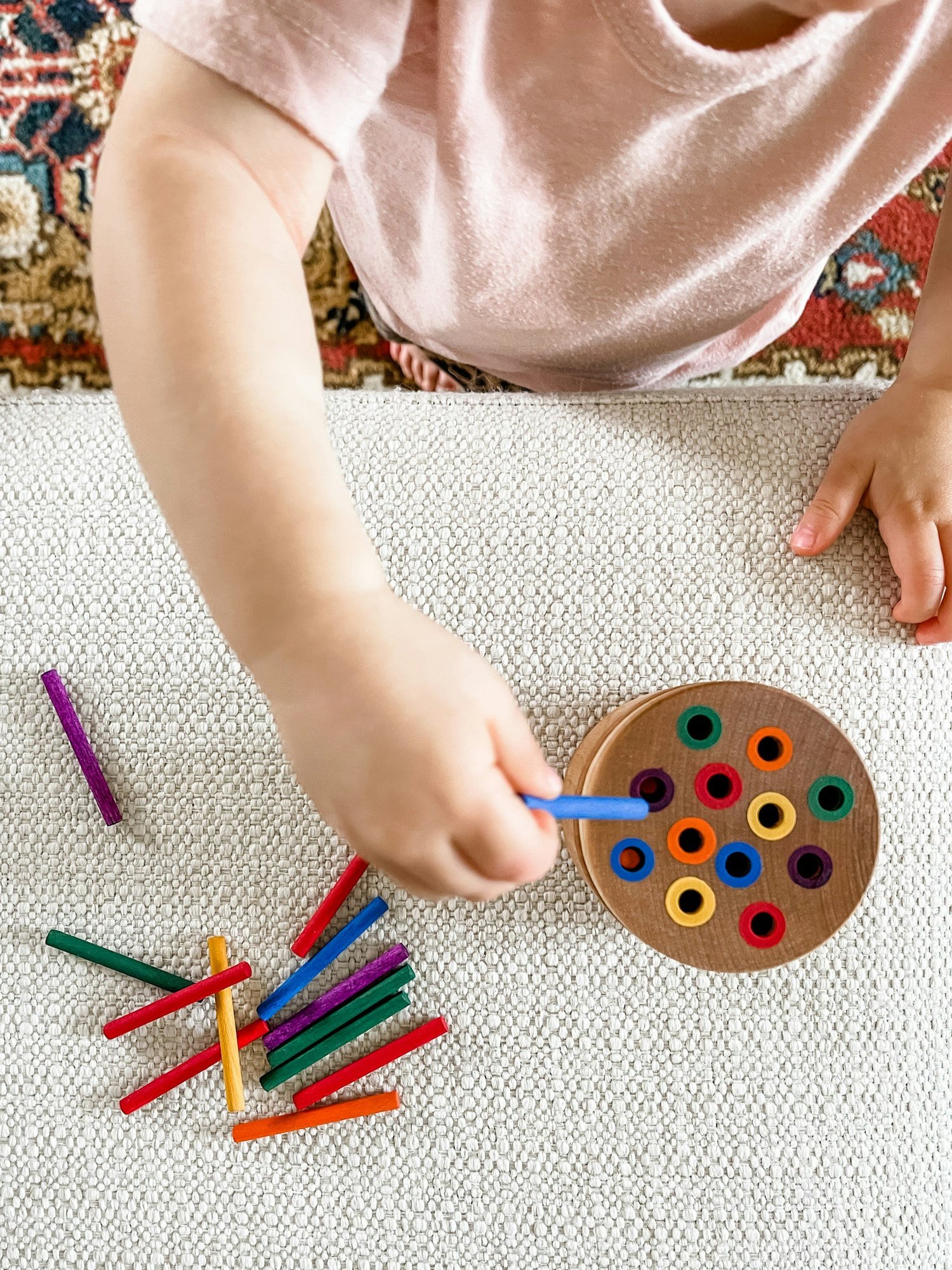
Here's a little secret from the OT side: you don't need a single fancy toy to build strong little hands. The clothespins in your laundry room, the cereal in your pantry, the junk-drawer odds and ends — that's the good stuff. Pinching, pulling, poking, and threading everyday objects is exactly how the hands get ready for crayons, scissors, and shoelaces.
So before you add another thing to a cart, raid the house. Here are ten fine motor activities I use all the time, each one built from stuff you almost certainly already own.
Heads up: this post has Amazon affiliate links — if you grab something through them, Tiny Hands earns a small commission at no extra cost to you. Thanks for keeping the free worksheets free!
10 fine motor activities from around the house
1. Clothespin clip race
Clip wooden clothespins around the rim of a yogurt tub or an old cereal box. That squeeze-and-open motion is pure thumb-and-finger strength — the same muscles behind a good pencil grip. Add colored dots and match pins to colors for a bonus.
Pincer · hand strength2. Cereal threading on spaghetti
Stand a few pieces of dry spaghetti up in a blob of playdough, then thread O-shaped cereal onto them. Threading is one of the very best fine motor tasks — and the "oops, snack break" cleanup writes itself.
Threading · pincer3. Pom-pom (or cotton ball) transfer
Move pom-poms or cotton balls from one bowl to another. Fingers work great; a pair of scoop tongs from Amazon or a clothespin makes it a tool-use challenge that strengthens the squeeze even more.
Pincer · tool use4. Sticker peel & place
Hand over a sheet of stickers and a paper to fill. Peeling each sticker off the backing is sneaky-hard pincer work, and placing them where they want builds control. Dollar-store stickers are gold here.
Pincer · two hands5. Tape rescue
Tape a few small toys to the floor or table with painter's or masking tape and let your kiddo "rescue" them by peeling the tape off. Finding the tape edge and pulling it up is real finger strength and persistence.
Pincer · strength6. Coin & card posting
Cut a slot in a plastic lid or an old wipes container, then post coins, buttons, or scrap cards through it. That line-it-up-and-drop motion is great pincer and eye-hand work — and weirdly mesmerizing for little ones.
Pincer · eye-hand7. Tear & crumple collage
Old magazines or junk mail become a craft: tear the paper into pieces, crumple some into little balls, and glue them down. Tearing builds hand strength and the two-hands-working-together skill behind scissors.
Hand strength · bilateral8. Spray bottle & sponge squeeze
Fill a spray bottle with water and let them "wash" the windows, or squeeze a sponge from bowl to bowl. Squeezing builds the exact hand and finger strength that keeps a pencil from tiring little hands out.
Hand strength · squeeze9. Colander lacing
Flip a colander upside down and push pipe cleaners or a shoelace in and out of the holes. Threading through holes is fiddly, two-handed, focused work — and it keeps a kiddo busy far longer than you'd expect.
Threading · bilateral10. Play dough pinch, roll & hide
Roll snakes, pinch off little pieces, and hide beads or coins inside for them to dig out. Squishing and pinching playdough is the all-time hand-strengthening champ — and you can make it yourself with flour, salt, and water.
Hand strength · pincerA couple of cheap fine-motor faves
If you do want to add a thing or two: a basic playdough set is endless hand-strengthening, and a chunky lacing toy builds the pinch-and-thread grip writing needs — both punch way above their price.
OT tip: aim for "just hard enough"
Fine motor grows when a task is a little tricky but not frustrating. If your kiddo breezes through, make it smaller (tinier pom-poms, a narrower slot); if they're melting down, make it bigger and easier. A few happy minutes a day beats a long, forced session every time.
Strong hands, no shopping required
Keep a little "fine motor basket" by the table — clothespins, pom-poms, stickers, a slotted lid — and you've got a no-prep activity any time you need two quiet minutes. The fancy stuff is nice, but those busy little fingers will never know the difference.
Want the next step?
Once those hands are strong, my fine motor and prewriting printables turn all that pinching into the lines and letters that come next — no prep, just print and play.
Grab It in the LibraryThis post is for learning and support — it isn't a diagnosis. © Tiny Hands