
Sensory-Friendly Halloween: An OT's Guide to Costumes, Crowds & Candy The Porch Rehearsal Trick
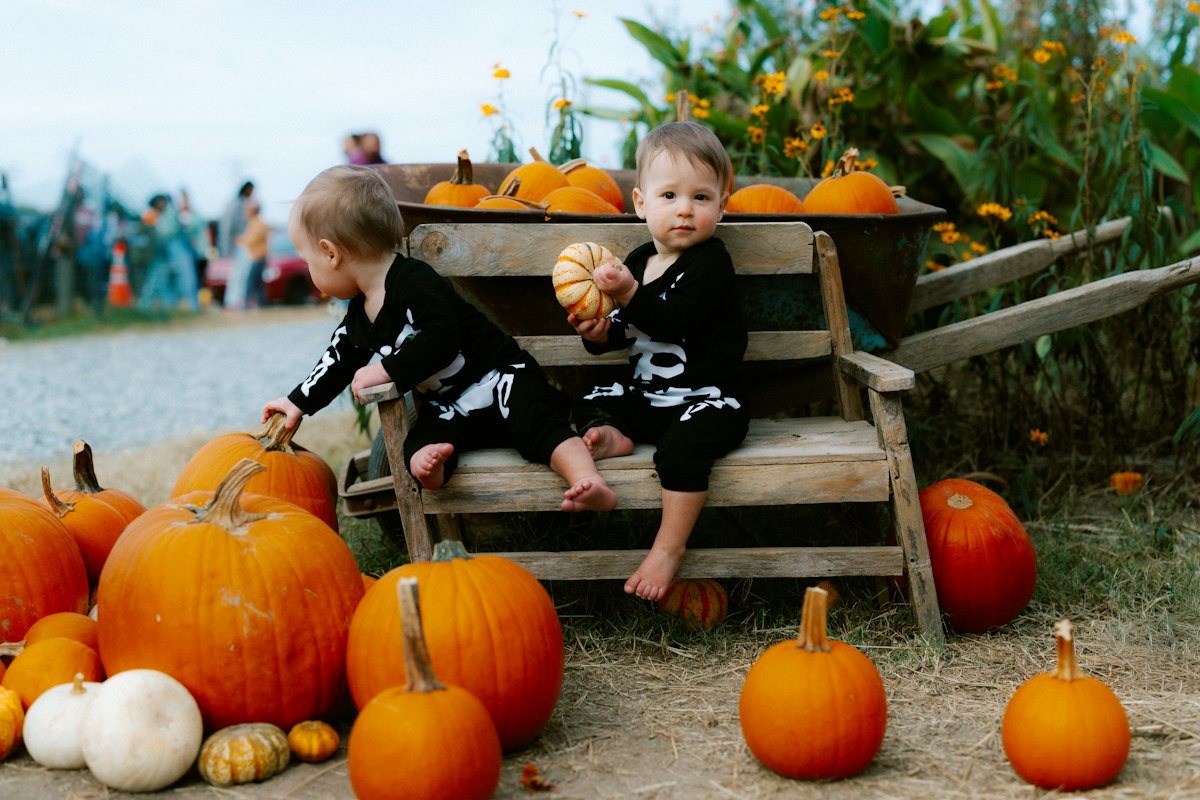
You bought the costume in September. Your kid loved it in the store. Then Halloween night comes, the costume lasts four minutes, a neighbor's cackling skeleton sets off a meltdown, and you're carrying a crying dinosaur home before you hit the third house. If you're looking for a sensory-friendly Halloween, you're in the right place. You're also in very good company.
Halloween is a lot for a sensory system: itchy fabric, masks over the face, doorbells, screaming decorations, flashing lights, crowds in the dark, strange smells, and a bedtime that goes out the window. What helps most is planning for each of those ahead of time. Pick a costume your child can actually wear (soft fabric, PJs underneath, no mask). Practice trick-or-treating at home before the real night. Pack headphones. Go early while it's still light. Keep the route short, and plan the breaks before anyone needs one. Your kid is allowed to do Halloween their own way, even if their way is handing out candy from the porch.
Below is how I walk families through each piece, including the practice run I call the Porch Rehearsal.
Why Is Halloween So Hard for Kids With Sensory Sensitivities?
Picture the night through your child's senses, one at a time. Usually one or two of these are the real trouble spots, and knowing which ones tells you where to start.
Touch
Stiff polyester, tags, elastic at the wrists, tights, face paint and anything over the head. For a kid with tactile sensitivity, a scratchy costume can feel more like sandpaper than dress-up.
Costumes & masksSound
Doorbells, barking dogs, other kids shrieking, and the motion-activated decorations that scream when you walk by. Those last ones are the big offender. They're loud and they come without warning.
Surprise noiseSight
Flashing strobes, fog machines, masked grown-ups and a dark street where everything looks different than it did at lunchtime.
Lights & facesMovement and crowds
Getting bumped on a busy sidewalk, strangers leaning down to say hi, and a lot of stop-and-go walking at the end of an already long day.
Busy bodiesAdd a change in routine, a late bedtime, and a candy bucket full of new textures, and it's not surprising that some kids hit their limit early. A child who's melting down at the fourth house has usually been holding it together for a while already.
How Do I Choose a Costume My Child Will Actually Wear?
The best costume is the one that stays on. Here's what I look for.
Soft first, spooky second. Fleece, cotton and anything that feels like pajamas. Plenty of costumes come as a soft hoodie or a onesie, and those are a great place to start.
Wear PJs or leggings underneath. This was one of the tips on my Instagram, and it works: a soft layer between your kid's skin and the costume means the scratchy part never actually touches them. Cut out every tag before the big day.
Skip the mask. Masks block side vision, trap warm breath and cover the face, which bothers lots of kids. A hat, ears on a headband or a little face paint on one cheek does the job. If you're using face paint, test a small patch a week before so a surprise rash doesn't ruin the night.
Their shoes, not costume shoes. Wear the sneakers they already love. Nobody wants to walk the neighborhood in stiff plastic boots.
Wear it early, and often. Let your kid wear the costume around the house for a few days before Halloween: to watch a show, to eat a snack, to help feed the dog. Clothes that are new and strange on October 31st feel like old friends by the time the day arrives. If your kid also fights coats, jackets and new clothes all year, my post on why kids refuse to wear a coat will sound very familiar.
And if your kid wants to be "a kid in their comfiest outfit holding a pumpkin," that's a costume. Really.

How Can I Help My Child Practice Trick-or-Treating?
A lot of the stress on Halloween night comes from not knowing what happens next. So we take the mystery out ahead of time, with a practice run that looks a lot like a game.
⭐ The Porch Rehearsal
Set up the "houses." Pick two or three doors inside your home, like a bedroom, the bathroom or the front door. Put a grown-up or a sibling behind each one with a bowl of something small: stickers, crackers, a couple of real candies.
Walk the script. Your kid walks up (costume on, if they'll wear it), knocks or "rings the bell," says "trick or treat!", takes one thing, says "thank you" and walks away. Short and predictable. For kids who don't talk much or freeze up, holding out the bucket counts as saying it. You can also make a little card that says "Trick or treat!" to hold up.
Add a little surprise, slowly. On the second or third run, have someone open the door in a hat or a silly voice, or ring a real doorbell. Your kid gets to practice the startle while they're safe at home and in charge.
Practice saying no. Make one door the "no thanks" house. Your kid gets to say "no thanks!" and walk right past. That gives them words to use when a house on the real route looks too scary.
Do it two or three times in the week before Halloween. By the real night, the script is familiar, and familiar feels safe.
You can also take a daytime walk along your trick-or-treat route a day or two before. Look at the decorations in the daylight, point out the house with the giant spider, and decide together whether that one's a "yes" or a "walk-by." Seeing the neighborhood first works the same way as previewing a new place before a field trip.
How Do I Handle the Noise, Crowds and Spooky Decorations?
Go early. The first hour, while it's still light out, is calmer, quieter and less crowded than 7:30 PM. You'll meet more toddlers and fewer teenagers in rubber zombie masks.
Keep the route short. Five houses you choose ahead of time is a great Halloween. Decide on the turnaround spot before you leave so ending doesn't feel like a punishment.
Pack headphones. Noise-reducing headphones take the edge off doorbells, barking dogs and screaming decorations. They're the same tool I suggest for fire drill anxiety and noisy cafeterias, so they'll get plenty of use after October, too.
Heads up: this post has an Amazon affiliate link. If you buy something through it, Tiny Hands earns a small commission at no extra cost to you. It helps keep the free resources free. Thanks!
🎧 The headphones I keep recommending
These kids' noise-reducing headphones are comfortable, adjust as kids grow, and are easy to pop on and off at each door. Let your kid wear them around the house for a bit first so they're a familiar tool, not a new weird thing on Halloween night.
See the Noise-Reducing Headphones on AmazonGive them a signal. Agree on a simple signal, like a hand squeeze or a thumbs-down, that means "I need a break" or "skip this house." Then honor it every single time. Kids who trust the exit are much more willing to keep going.
Choose a walk-by. You don't have to go up to every house. Crossing the street past the fog-machine yard is a perfectly good plan.
What Does a Sensory Break Look Like on Halloween Night?
Plan breaks before anybody needs one. Breaks you planned feel like part of the fun. A break your kid has to beg for is a lot harder to recover from.
Heavy work before you leave
Twenty minutes before heading out, get some big muscle work in: carrying the pumpkin, pulling a wagon, animal walks down the hallway, wall push-ups. Heavy work activities are my favorite way to help a body feel steady and organized before a busy night. Out on the route, your kid can pull the wagon or carry their own (slowly getting heavier) bucket.
Organize firstA home base
The car, a stroller, a quiet stoop or your own front steps. Somewhere your kid can sit, take the headphones off or on, and have a sip of water.
Quiet spotBreathing they already know
Blowing out a pretend jack-o'-lantern candle works well here. Practice it at home so it's ready when they need it. My post on deep breathing for kids has more ideas.
Slow downA happy exit
Leaving early is part of the plan, not a failure. Go home, dump out the candy, sort it by color, and watch trick-or-treaters from the window. Lots of kids love this part the most.
End on a highSome kids would honestly rather be the ones handing out candy. Opening the door and dropping a treat in each bucket is still very much Halloween, and they get to control the pace.
What About Candy for Picky or Sensory Eaters?
Candy is a whole sensory experience of its own: sticky, chewy, crunchy, fizzy and surprise flavors. Kids who are careful eaters might only like a few kinds, and that's fine.
Try a candy swap. Your kid trades the candy they don't like for a small toy, a book or a special activity the next day. Families who celebrate with non-food treats often use a teal pumpkin to show they have non-food options, which is great for kids with allergies or strong food preferences. Stickers, glow sticks and little bottles of bubbles are big hits with sensory kids, too.
If your child tends to mouth or chew on things when they're overwhelmed, bring something safe to chew on the walk. My post on oral sensory seeking explains why chewing can calm some kids down.
What Can Teachers Do for Halloween Parades and Class Parties?
School Halloween events are loud and exciting, and they happen in the middle of an ordinary day, which can be the trickiest version of all. A few easy wins:
Send a picture schedule home a few days early so kids know when the parade and party happen. Let children wear a soft costume piece, like a hat or a shirt, rather than the full outfit. Offer a quiet "helper job" during the loudest part, like holding the door or carrying the napkins. Keep your calm-down corner open during the party. And make sure "I'm going to watch" is always a real choice, with no pressure to join.

Want fall and Halloween printables?
The seasonal pages in the Tiny Hands library are perfect for low-key October practice: cutting, tracing, coloring and fine motor fun with a pumpkin twist. They're a great calm activity for the afternoon before a big Halloween night.
See the Seasonal PrintablesWhen Should I Check In With an OT?
Lots of kids find Halloween overwhelming, and plenty of kids who struggle on October 31st are completely fine the rest of the year. One hard night doesn't mean something is wrong.
It's worth a conversation with an OT if the same sensory reactions show up in everyday life, not just on holidays. For example, if getting dressed is a daily battle because of how clothes feel, ordinary sounds like the vacuum or hand dryer cause big distress, or your child melts down at birthday parties, stores and school events every time. My post on sensory processing is a good place to start. An OT can help you figure out what's going on and give your child tools that work all year, not just in October.
Until then, lower the bar, keep it short, and count it as a success if everybody gets home still smiling. Even if you only made it to three houses.
Start with the free Fine Motor Starter Pack 🎁
Calm, hands-on activities are one of the easiest ways to help kids feel regulated before a big day. Join the list and I'll send you the free Fine Motor Starter Pack: 40+ pages of pinching, tracing, cutting and building you can print tonight.
Send Me the Free PackWant sensory tools and printables sorted by skill, all in one place? Take a look inside the membership →
This post is for learning and support — it isn't a diagnosis. © Tiny Hands