
How to Make a Calm Down Corner: A Cozy Reset Spot Kids Will Actually Use
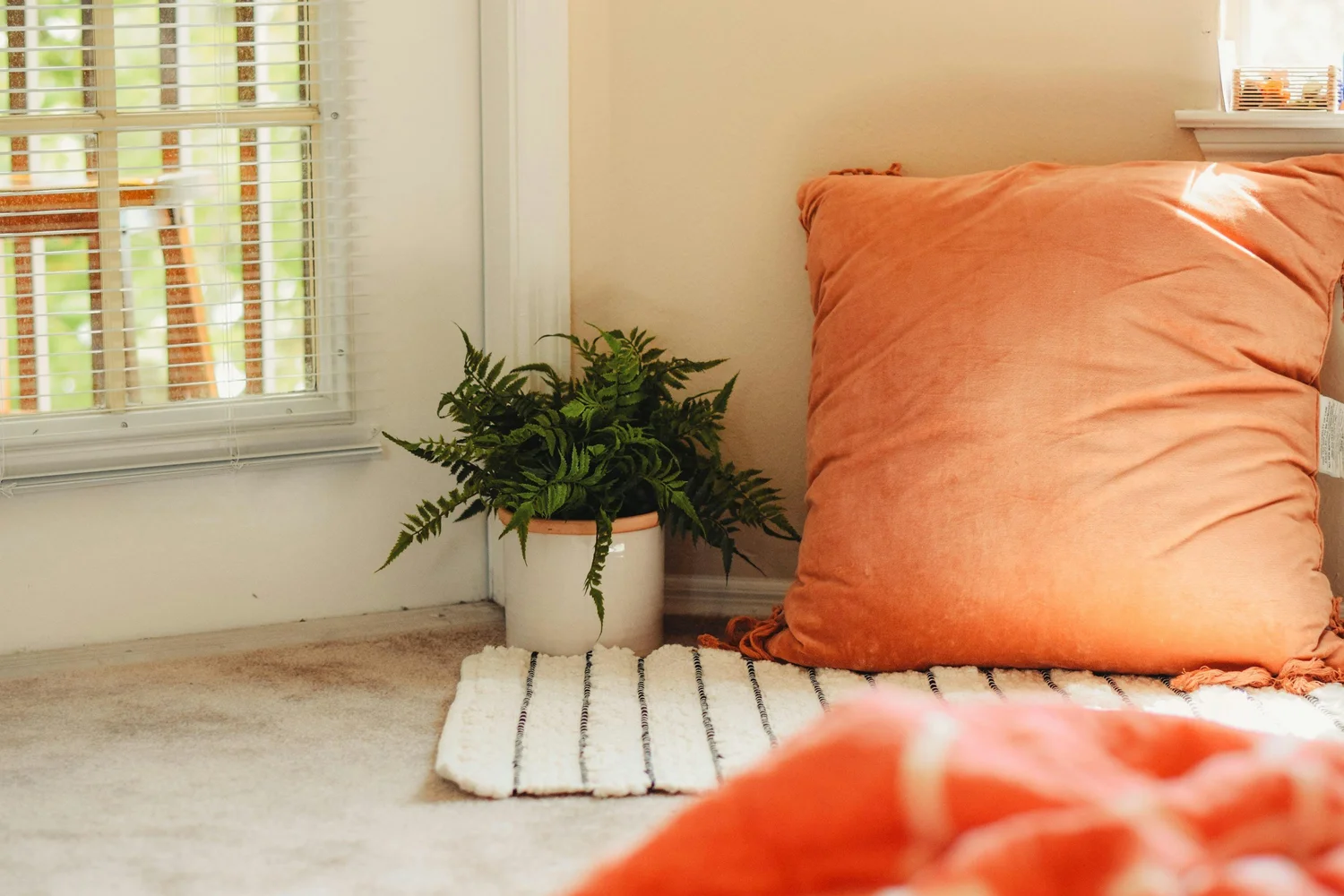
You know the moment. The tears, the flailing, the "I CAN'T" that seems to come out of nowhere. Your kiddo is completely flooded, and every calm word you offer just bounces right off. In that storm, both of you need the same thing: a soft place to land.
That's exactly what a calm down corner is. It's a small, cozy, judgment-free spot in your home or classroom where a child can go to settle their body and their big feelings — not because they're in trouble, but because everyone deserves a reset button. Let me show you how to build one your kid will actually want to use, no fancy budget required.
First: A Calm Down Corner Is Not a Time-Out
This is the piece that makes or breaks the whole thing, so I'm starting here. A time-out is about consequences — go away, think about what you did. A calm down corner is the opposite: come here, I'll help you feel better.
If the corner ever gets used as a punishment ("go to your calm spot!" in an angry voice), kids learn to hate it, and it stops working. The magic only happens when it's a welcoming tool, not a place of shame. Same beanbag, completely different message — and kids feel that difference instantly.
Why It Actually Works
When a child is melting down, the thinking part of their brain has basically gone offline — you can't reason with a flooded nervous system. A calm down corner works because it does three quiet, powerful things.
It gives the body a job
Squeezing, rocking, deep breaths, pushing into a pillow — calming sensory input tells an overwhelmed nervous system "you're safe now," far faster than words ever could.
RegulationIt's a predictable safe base
Knowing there's a specific, always-the-same spot to go removes one more decision in an overwhelming moment. Predictable is calming — the corner becomes a landmark their body trusts.
PredictabilityIt teaches a lifelong skill
Every trip to the corner is practice at noticing big feelings and choosing a healthy way to handle them. That's self-regulation — and it's one of the most important things a child can learn.
Coping skillsHow to Build One, Step by Step
You do not need a Pinterest-perfect setup or a single expensive thing. Here's the whole recipe.
1. Pick a small, quiet spot
A corner of a bedroom, a nook behind the couch, the end of a classroom bookshelf. Smaller and more enclosed is better — a little tent, a canopy, or even a big cardboard box feels safe and den-like.
Cozy & small2. Make it soft and cozy
Pillows, a beanbag, a soft blanket, a favorite stuffed animal. You want the space to say "settle in here" the second they sit down. Soft lighting helps too — skip the harsh overhead lights.
Comfort first3. Add a few calming tools
Pick two or three, not twenty. A stress ball or fidget, a glitter/sensory bottle to watch, a chewy or a weighted lap pad, a book, headphones for quiet. Rotate them if interest fades.
Sensory reset4. Add a feelings visual
A simple feelings chart or a few calm-down cards ("take 5 deep breaths," "squeeze tight, then let go") give a child a next step when their words are gone. Pictures work when talking doesn't.
Name it to tame it5. Teach it when everyone's calm
Introduce the corner during a happy, regulated moment — never mid-meltdown. Explore it together, try the tools, make it feel special. A tool learned in the calm is one they can actually reach for in the storm.
Practice firstThat's it. Start with a spot, a soft thing, and one calming tool — you can always add more as you learn what soothes your particular kiddo.
💙 My go-to: co-regulate before you expect self-regulation
Here's the part everyone skips: little kids can't calm down alone at first — they borrow your calm to find their own. So in the beginning, go to the corner with them. Sit close, breathe slow, offer the fidget, keep your voice low and warm. You're not giving in; you're teaching their nervous system what calm feels like. Over time, they'll start heading to the corner on their own — but the co-regulation comes first. Every single time.
What to Put in a Calm Down Corner
Reach for a small mix of these — enough choice to help, few enough to not overwhelm. Many are things you already have, and the best ones match what settles your child (some kids need to squeeze and push; others need quiet and stillness).
Great options include soft seating (beanbag, cushions, a canopy), things to squeeze or fidget, a glitter/calm-down bottle to watch, a weighted lap pad or stuffed animal for gentle deep pressure, headphones for noise, a couple of picture books, and a feelings chart or breathing cards. If your kiddo tends to crave big, heavy input when they're dysregulated, pair the corner with the ideas in my post on building core strength through heavy-work play — that deep-pressure "work" is one of the fastest resets there is. And once a feeling's been named, having a whole toolkit ready helps even more — my emotional regulation activities for kids pairs beautifully with the corner itself.
And if you're noticing that big feelings and sensory overwhelm show up together a lot, my roundup of sensory-friendly ideas can help you spot what's setting your child's alarm bells off in the first place.
Heads up: this post has Amazon affiliate links. If you grab something through them, Tiny Hands earns a small commission at no extra cost to you — it's what keeps the free worksheets free. Thank you!
Stock your calm down corner: my go-to picks
You don't need all of these — pick two or three that match what settles your kiddo. A weighted lap pad for deep-pressure calm, sensory bottles and a mindful maze to watch and fidget, a soft feelings pillow, a gentle calm-down book, and pocket-sized worry stones for anxious hands. These are the exact tools I reach for.
Making It Work Day to Day
A calm down corner isn't a magic off-switch, and that's okay — it's a skill you're both practicing. Some days they'll use it beautifully; some days they'll refuse it entirely and that's fine too. Keep it low-pressure and always optional (forcing a kid into their "calm spot" turns it right back into a punishment).
Narrate it warmly when it goes well — "you noticed you were getting frustrated and you took a break, that was so grown-up." Naming the win teaches them what they just did. And model it yourself: "Mommy's feeling frazzled, I'm going to take three big breaths." Kids learn regulation far more from watching us than from anything we say.
Want the printable feelings cards?
My feelings chart and calm-down cards live in the membership — breathing prompts, a simple emotions poster, and "try this" cards to stock your corner in about two minutes. Print, cut, and you've got a ready-made reset kit.
See the Membership PagesNew here? Grab the free pack first 🎁
Join the list and I'll send you the Fine Motor Starter Pack — 40+ print-ready pages to build those little hands, plus first dibs on new calm-corner and feelings printables.
Send My Free PackWant the whole library, sorted and ready? Peek at the membership →
This post is for learning and support — it isn't medical advice or a diagnosis. If big feelings are overwhelming your family, a licensed professional can help. © Tiny Hands