
Sensory Bins for Kids My 8 Go-To Fillers, Always Ready to Grab
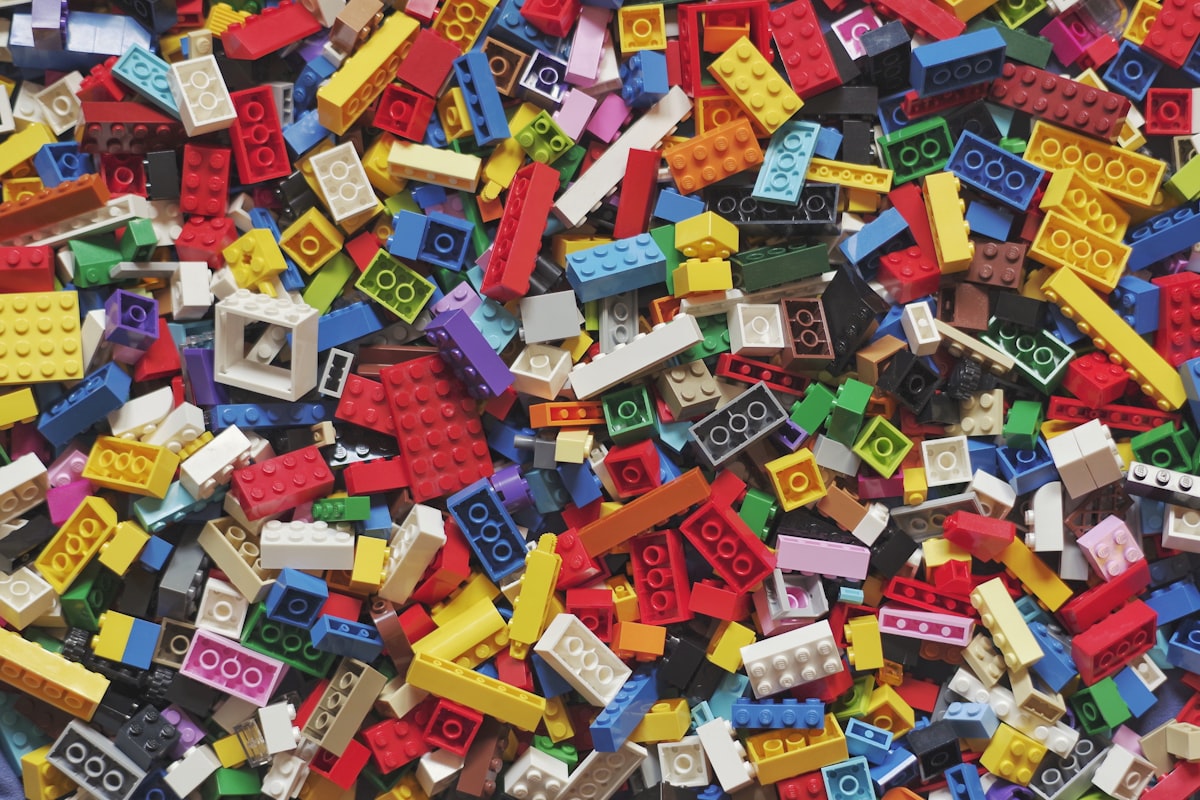
Here's my honest confession about sensory bins for kids: for years I loved the idea and hated the reality. Dumping rice on the kitchen floor, hunting for scoops, then cleaning it all up before I'd even had my coffee? Hard pass. So I did the thing that changed everything — I made mine pre-made. I keep 8 sensory bins filled, lidded, and ready to grab, and now "want to play a bin?" is the easiest yes in my house and in my sessions.
If you've been wanting to try sensory play but the mess is stopping you, this is the post for you. Let me show you the exact bins I keep on rotation, why little hands (and busy brains) love them, and the sneaky-smart way I turn a plain bin into letter practice.
Why Pre-Made Sensory Bins Are a Game-Changer
Scooping, pouring, pinching, and digging aren't just fun — they're real hand and finger work, and the deep, busy input is genuinely calming for a wound-up body. But a bin only helps if you actually use it. That's the whole case for making them ahead: I fill mine into these clear, stackable bins with lids, snap the lid on, and stack them in a closet. When it's time to play, I grab one, and when we're done, the lid goes back on and the "mess" disappears till next time. No setup, no dread.
Heads up: this post has a few Amazon affiliate links. If you grab something through one, Tiny Hands earns a small commission at no extra cost to you — it's what keeps the free worksheets free. Thank you!
For a bin setup that never has to leave the shelf
If you want the bins visible and ready instead of stacked away, a kids' sensory table with built-in storage bins does that job — two tubs to fill, lids to hide the mess, and it turns "yes to sensory play" into an even easier yes.
My 8 Go-To Sensory Bin Fillers
You don't need all of these to start — pick one or two and go. But here are the 8 I keep filled and ready, from mess-free to full-sensory, so there's a bin for every mood (and every tolerance for cleanup).
1. Shredded colored paper
Basically free, wonderfully crinkly, and light as air. I love it for burying little treasures to dig out — and it's a soft landing for the kiddo who's still learning "we keep it in the bin."
Budget2. Pluffle (aka "puffle")
This fluffy foam is one of my absolute favorites — soft, moldable, and it doesn't stick to hands or clump on the floor. If you want the calm of sensory play with almost none of the mess, start with a set of Pluffle.
Mess-free3. Kinetic sand
The one that packs and crumbles in the most satisfying way. Squishing and molding kinetic sand is deeply calming and sneaky-good hand strengthening every time they scoop and press.
Calming4. Chenille yarn (left in one piece!)
Here's my little secret for the kid who throws everything: I use chunky chenille yarn and I don't cut it up. Because it's all one soft, connected piece, it's cozy to run little hands through and it gathers right back up in two seconds — no thousand tiny bits to chase across the room.
Throw-proof5. Colored rice
A sensory-bin classic for a reason — the sound and the pour are so satisfying, and a splash of color makes it feel like magic. Great for scooping, funneling, and hiding letters (more on that in a sec).
Scoop & pour6. Gushy snow
Cool, squishy, and endlessly fascinating — gushy snow is a big hit for the kids who crave a wetter, squishier texture without a soaking-wet table.
Squishy7. Dried beans
Chunky, easy to grab, and perfect for the earliest scoopers whose hands are still learning. The bigger pieces are also friendlier for kids who tend to mouth things (though I still stay close by).
Chunky8. Dried pasta
Free from your pantry, fun to pour, and it doubles as a threading toy — dry penne on a shoelace is a whole fine-motor activity hiding inside a sensory bin.
Two-in-one
Make It More Than a Bin: Add Puzzles & Letters
Once a bin is a hit, I love to level it up. I'll toss in a few puzzle pieces or a handful of alphabet letters and bury them down deep. Suddenly it's not just play — it's a treasure hunt with a purpose, and the kids are so busy digging they don't notice how much learning is happening.
My favorite version is a two-step letter game: find a letter, then write it. Your kiddo digs through the rice or Pluffle, fishes out a letter, shouts what it is — and then writes it on a little whiteboard or paper before diving back in for the next one. It sneaks letter recognition and handwriting into a game they think is pure fun. (If you're working on letter formation, my post on teaching your child to write their name pairs perfectly with this.)
✋ Quick tip: add tongs and scoops
Want to squeeze even more hand-strength out of any bin? Drop in a set of scoops and tongs and let them transfer, pinch, and sort. It turns a plain bin into a real grip-and-release workout — the exact muscles that power a good pencil grasp.
Want the print-and-play version?
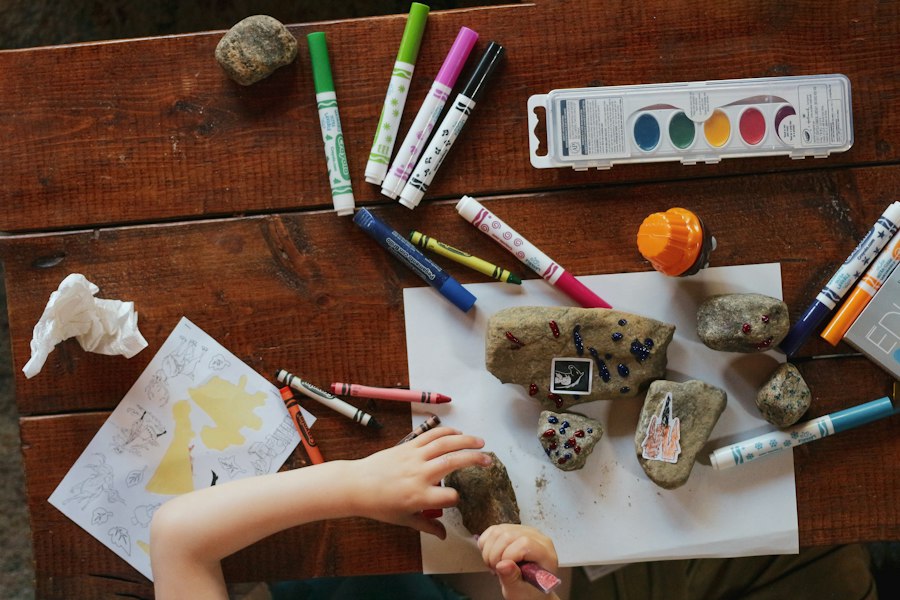
My Sensory Bin Task Cards & Letter-Hunt pages live in the membership — pull-a-card prompts and letter pages that turn any bin into a ready-made activity, no planning needed. Perfect for pairing with the fillers above.
Get the Sensory Bin CardsA few more ways to keep little hands busy: my taste-safe sensory bin ideas for toddlers are great for the mouthing stage, and if you need no-mess options for the car or a restaurant, my busy bags for toddlers have you covered.
New here? Grab the free pack first 🎁
Join the list and I'll send you the Fine Motor Starter Pack — 40+ print-ready pages to build those little hands at home, from first scoops to strong little grips.
Send My Free PackWant the whole library — including the sensory bin cards — sorted and ready? Peek at the membership →
This post is for learning and support — it isn't a diagnosis. © Tiny Hands