How Do I Teach My Child to Use a Ruler? The Starfish Hand Trick
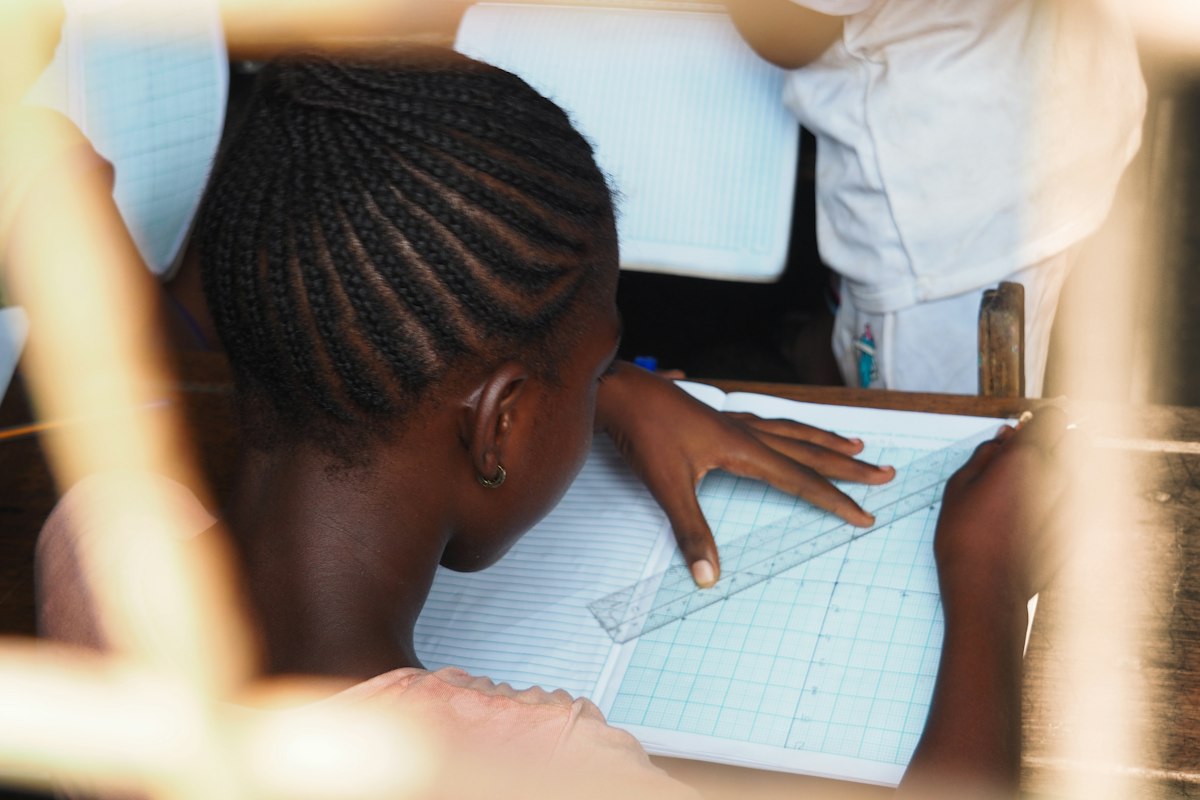
The homework said "use a ruler to underline each word," and ten minutes later you've got a page of wobbly lines, a ruler on the floor, and a kid announcing that rulers are broken. If you're googling how to teach a child to use a ruler, I promise the ruler isn't the problem. And neither is your kid.
So what's actually going on? Using a ruler is a two-hand job. One hand has to press the ruler flat and keep it still while the other hand pulls the pencil along the edge. Most kids can start drawing ruler lines around 5 to 6 (late kindergarten or first grade), and measuring with the numbers usually shows up in second grade. When the line wobbles, it's almost always because the helper hand is pinching one end of the ruler instead of holding the middle, so the ruler slides.
In sessions, I fix it with the Starfish Hand. The helper hand spreads its fingers wide and lies flat in the middle of the ruler, like a starfish stuck to a rock. The pencil hand stays on the other side and hugs the edge. Most kids get it within a handful of lines.
What Age Can Kids Use a Ruler, Step by Step?
Ruler skills show up in layers, and each one leans on the one before it. Give or take a year on any of these.
Ages 4–5: edge tracers
Before a ruler, kids trace along the edge of a book, a block or a piece of cardboard. They're learning that a pencil can follow an edge, and that the "edge thing" has to stay put. Lots of wobble here. Totally expected.
ExploreAges 5–6: straight-line drawers
Late kindergarten into first grade, kids can usually draw a short line along a ruler if someone helps hold it at first. A short, chunky 6-inch ruler is much easier than a long 12-inch one here. Less ruler means less to wrangle.
Draw linesAges 6–7: comparers
First graders often measure with paper clips or cubes before they use the numbers on a ruler. It's the same idea: start at one end, don't leave gaps. That habit matters a lot later.
Longer or shorter?Ages 7–8: real measurers
Second grade is when most kids start reading inches and centimeters. The big mix-up at this age is starting at the 1 instead of the 0 (or at the very end of the ruler, which on some rulers isn't the 0 at all). Expect to remind them more than once.
Inches & cmA first grader whose ruler lines look like a seismograph reading is right on schedule. Nobody's hands come out of the box knowing how to do this.
⭐ The Starfish Hand, step by step
Have your kid hold up their helper hand (the one that doesn't hold the pencil) and spread the fingers as wide as they'll go. That's the starfish. Now the starfish "sticks" flat onto the middle of the ruler, with the fingertips pressing down. No pinching the end, no thumb hooked under the side.
Then the pencil hand goes on the other side of the ruler. Tip the pencil so it leans a little against the ruler edge, like it's tired and needs something to rest on. Pull the pencil from one end to the other, pressing lightly, and keep that pencil leaning the whole way.
For a long line, the starfish can "walk": stop the pencil, move the hand along the ruler, press down again, keep going. I say "starfish, stick!" before every line at first. By the third or fourth line, kids start saying it to themselves.
Why Does the Ruler Keep Slipping When My Child Draws?
A few things usually go wrong, and they're pretty easy to spot once you know to look.
The helper hand is on vacation. Lots of kids hold the ruler with two fingers at one end, or rest their hand next to it without really pressing. The far end swings like a door. Starfish Hand fixes this one fast.
The pencil drifts away from the edge. If the pencil is held straight up and down, the tip wanders off. Leaning it into the ruler gives it something to follow.
Everyone is pushing too hard. A kid who presses the pencil hard enough to dent the paper will shove the ruler right along with it. Light pencil, heavy starfish. If heavy pressure shows up in all their writing, my post on kids who press too hard when writing has more on that.
Holding one thing still while the other hand moves is exactly the kind of teamwork that bilateral coordination activities build. It's the same skill behind cutting with scissors, opening a lunch container and, yep, using a stapler.

What Are Fun Ways to Practice Ruler Skills at Home?
You need a ruler, a pencil and some scrap paper. That's the whole shopping list.
Train tracks
Draw two parallel ruler lines across a big piece of paper, then add the little cross ties with short ruler lines. Now it's a train track, and toy cars and trains are welcome. Kids will draw twenty lines for a train when they'd complain about five on a worksheet.
Lots of repsBuild a city
Buildings, windows, a bridge. Sneaky practice for lining the ruler up on a dot.
Line up & drawMeasure everything
For older kids: their shoe, a banana, the dog's tail if the dog will allow it. Say "toes on the zero" each time, so the object's end lines up with the 0, not the edge of the ruler. Write the numbers on sticky notes and see what's longest.
Start at zeroRuler lines, then cut
Draw straight ruler lines on scrap paper, then cut along them. Two skills in one, and the ruler line gives scissors a nice clear path. A hole punch at the end makes it a "real" project kids love to show off.
Cut the lineOne small thing that helps: a ruler with a bit of grip on the back or a cork strip doesn't slide around as much. If yours is super slick, a strip of masking tape underneath does the same job for free.
Want printable line and shape practice?
Drawing along a ruler is visual-motor work: eyes guiding hands. The visual-motor pages in the Tiny Hands library give kids quick, print-and-go practice with lines, shapes and copying.
See the Visual-Motor LibraryWhen Should I Check In With an OT?
Honestly? Wobbly ruler lines at six are about as worrying as wobbly first bike rides. A few weeks of train tracks sorts out most of it.
I'd mention it to your child's teacher or an OT if the helper hand seems to sit out of everything (holding paper still while writing, steadying a bowl, holding paper while cutting), if drawing a straight line is really hard even with you holding the ruler, or if copying from the board and lining up work on the page are also a daily struggle. Those can point to something worth a closer look, like how the two hands work together or how the eyes and hands team up. My post on trouble copying from the board is a good next read if that sounds familiar.
In the meantime, the wiggly train track still goes on the fridge. Those are the rules.
New here? Start with the free pack 🎁
Steady helper hands and strong pencil fingers start way before the ruler. Join the list and I'll send you the free Fine Motor Starter Pack, 40+ pages of pinching, squeezing, tracing and cutting you can print tonight.
Send My Free PackWant every printable I use in sessions, sorted by skill? The membership lives here →
This post is for learning and support — it isn't a diagnosis. © Tiny Hands