
Back-to-School Supplies an OT Actually Puts in the Cart (and the Ones I Skip)
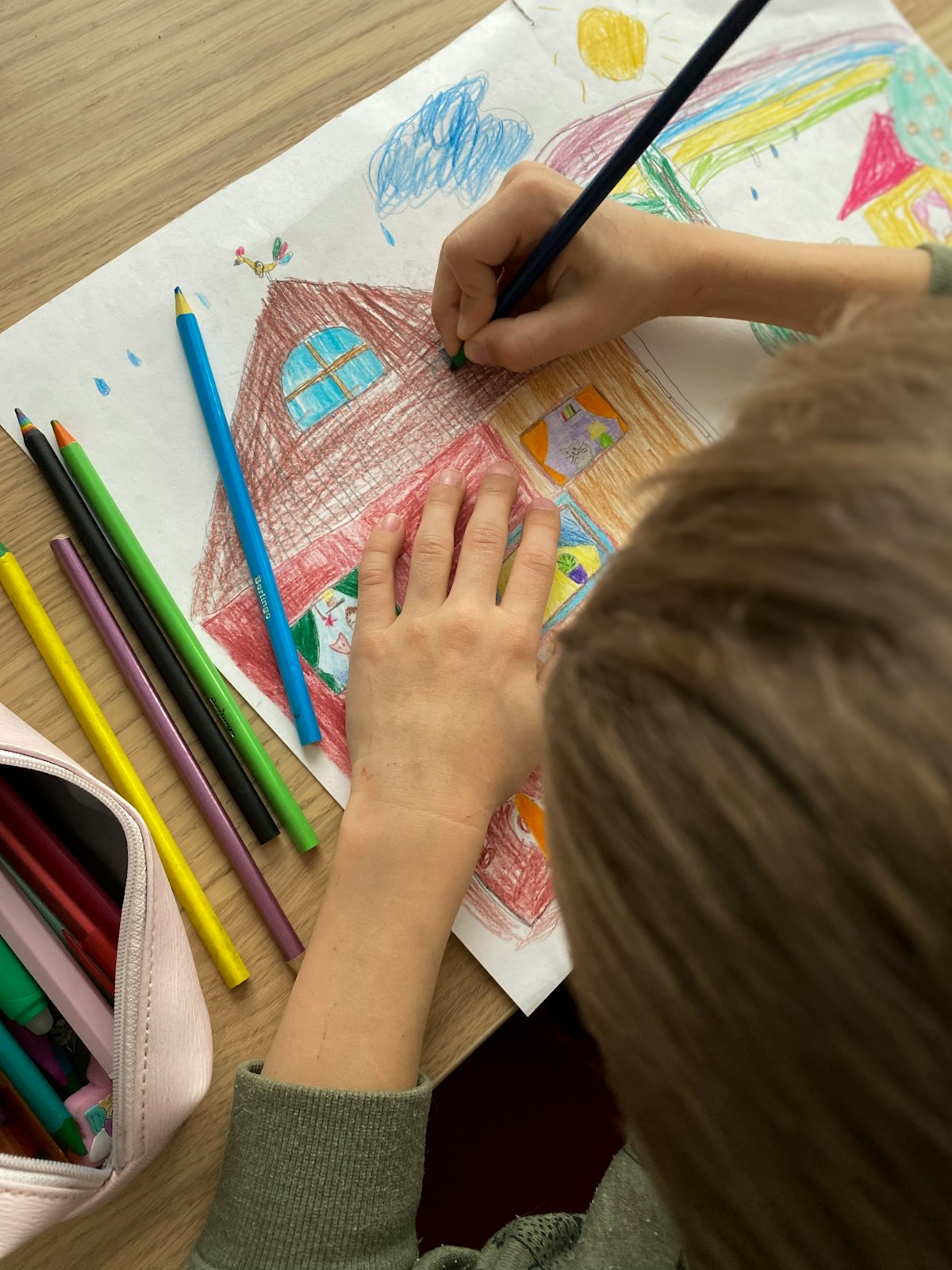
You're standing in the school-supply aisle holding a list a mile long, a cart full of themed folders, and the creeping suspicion that half of this stuff won't survive September. Meanwhile a very confident display is telling you your five-year-old needs a 24-pack of skinny colored pencils. If the back-to-school shop makes you feel like you're guessing, here's the good news: as a pediatric OT, most of that list is totally fine as-is.
Take a breath — you do not need to overhaul the cart. The truth about occupational therapist school supplies is that a small handful of choices genuinely help little hands work, and the rest is just… folders. Let me walk you through the few things I actually care about, what I quietly skip, and the one rule that makes the whole trip easier.
What I Actually Care About By Stage
A supply that's perfect for a kindergartner can be all wrong for a preschooler. Here's the rough order I think in — match your child to where their hands are, not the number on the grade label.
Preschool & Pre-K: big, chunky, forgiving
Little hands are still building strength, so bigger is better: chunky crayons, fat triangular pencils, blunt-tip scissors sized for small fingers. This is the age where the right tool does half the work — a crayon they can actually grip beats a "grown-up" pencil they can't. My scissor skills for preschoolers guide covers exactly which first scissors to look for.
Big & grippyKindergarten: the year of the pencil
Now writing tools shrink and letters arrive. Look for a standard (not skinny) pencil, a good eraser, and an easy, low-pressure way to practice letter shapes at home. If a grasp looks awkward, this is the moment a simple grip can help — I break down which ones work in my post on whether pencil grips actually work.
Pencil-readyEarly elementary: practice that guides the hand
By first and second grade the game is neatness and speed. What helps most here is low-pressure letter practice — a reusable, mess-free board or tracing tool that shows the hand the right path for each letter, so kids build muscle memory without a stack of worksheets. Guided practice fixes more sloppy handwriting than nagging ever will.
Guided practiceNotice the trend: younger hands need bigger, simpler tools; older hands need guidance and structure. Buy for the hand in front of you, not the aisle sign.
🎒 My one rule: "Shop the Hand, Not the List"
Every fall, parents ask me which brand to buy — and my answer is always the same: watch your child's hand, then shop. Before you fill the cart, hand your kiddo a crayon and a pair of scissors at home and just look. Are their fingers bunched into a fist on the pencil? Get a chunkier one (or a grip). Is the paper crumpling instead of cutting? The scissors are wrong, not your kid. Are letters wandering all over the place? A guided tracing board shows the hand the right path. The supply list is a starting point, not a prescription — the child's hand tells you what they actually need. "Shop the hand, not the list" turns a stressful guessing game into a two-minute look, and it's the exact thing I do before I recommend a single tool.

The OT Cart: Worth It vs. Skip It
Here's what earns a spot in my cart every single year — and the stuff the display really wants you to buy that you can happily walk past.
Worth it: the right scissors
Blunt-tip, spring-back for the youngest cutters, and true left-handed scissors for lefties (regular ones genuinely don't cut for them). Good scissors are the difference between a kid who loves cutting and one who avoids it — and cutting builds the exact hand muscles writing needs.
Non-negotiableWorth it: a pencil grip (sometimes)
Not every kid needs one, but for the child whose fingers keep sliding or bunching, the right grip gently tucks them into place. It's a cheap, low-drama thing to try before anyone worries about handwriting.
Try itWorth it: a reusable letter-tracing board
A magnetic tracing board (or grooved practice board) guides the hand along the right path for each letter — mess-free, no worksheets, and endlessly reusable. It's the quiet fix for wandering, uneven letters, and kids treat it like a toy instead of practice.
ReusableWorth it: a glue stick (not liquid)
Twisting a glue stick up and down is sneaky-great finger work, and it saves everyone the puddle-of-glue meltdown. Liquid glue has its place for art, but for daily school work, the stick wins.
Grown-up hackSkip (or downgrade): the "fancy" stuff
Super-skinny mechanical pencils for little kids, character scissors that don't actually cut, mountains of themed folders — cute, but they don't help the hand. Save the money; grab one more glue stick instead.
Walk past itYou really don't need much. A handful of the right tools beats a cart full of the wrong ones every time — and your kiddo will feel the difference on day one.

Want the print-and-practice version?
My Fine Motor pack in the membership is the perfect back-to-school warm-up — tracing, cutting, and grip-building pages that get little hands ready for the school year, no fancy supplies required. Print, and you're set in about two minutes.
Get the Fine Motor PackHeads up: this post has Amazon affiliate links. If you grab something through them, Tiny Hands earns a small commission at no extra cost to you — it's what keeps the free worksheets free. Thank you!
The three back-to-school buys I actually recommend
If you only add three things to the cart, make it these: a classic pencil grip for the kiddo whose fingers keep sliding (it gently tucks them into a comfy hold), a pair of blunt-tip training scissors that are sized and safe for new little cutters, and a magnetic letter tracing board — a little magnetic bead follows each letter's path, so kids get the direction right and build tidy letters without a single worksheet (double-sided for capitals and lowercase, and mess-free for the kitchen table). Three small things, and every one of them earns its spot.
When to Check In With an OT
A slow start with pencils and scissors is a completely normal part of a little person's hands still figuring things out. Most kids grow into these tools over the school year with practice, the right supplies, and a grown-up who keeps it light — not because they mastered handwriting in September.
That said, a quick, no-pressure chat with a pediatric OT or your child's teacher can be reassuring if, as the year goes on, you're consistently seeing things like a grasp that stays in a whole-fist grab well past kindergarten, a child who avoids or melts down over cutting and coloring while classmates dig in, handwriting that stays unusually effortful or illegible despite the right tools and lots of practice, or hands that tire so fast that writing a few words feels like too much.
None of that is an emergency — they're just gentle "let's take a closer look" flags, and there's almost always a simple tool or tweak that helps. If you want to get those little hands ready before the first bell, my guides on scissor skills for preschoolers and whether pencil grips actually work are the perfect next reads. You've got this — and so do they.
New here? Grab the free pack first 🎁
Join the list and I'll send you the Fine Motor Starter Pack — 40+ print-ready pages to build those little hands at home, from first scoops to strong little grips. The best back-to-school prep there is.
Send My Free PackWant the whole library — sorted by skill and ready to print? Peek at the membership →
This post is for learning and support — it isn't a diagnosis. © Tiny Hands