
Morning Routine Chart for Kids A Calm, No-Nag School Start
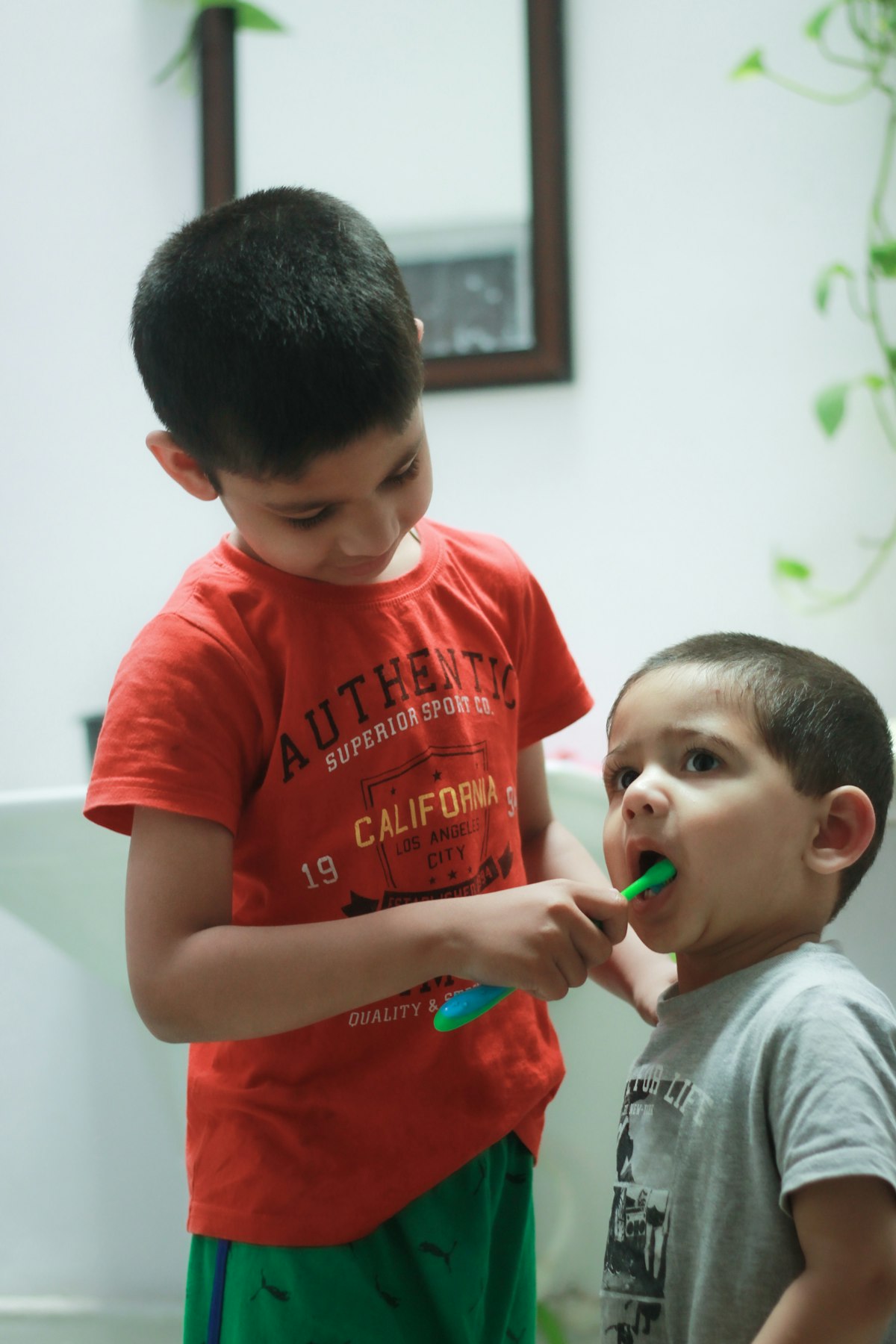
It's 7:52 a.m. Shoes are somewhere. One kid is still in pajama bottoms watching dust float in a sunbeam. You've said "get dressed" so many times the words have stopped meaning anything, and you can feel your voice climbing that ladder toward the yell you swore you wouldn't do today. If your mornings feel like herding sleepy, slippery cats, a morning routine chart for kids might be the single easiest fix in your whole day.
Take a breath first — the chaos isn't a discipline problem, and it isn't you failing at parenting. Little kids genuinely can't hold a five-step sequence in their heads yet, so every "what's next?" is landing on you. A chart just moves that job off your shoulders and onto the wall, where a picture can nag instead of a person. Let me show you exactly how I set one up in sessions — including who can actually do what, by age.
What Kids Can Really Own By Age
Before you tape a ten-step chart to the fridge, a reality check: independence with routines is a skill that grows slowly, and asking a three-year-old to run their whole morning solo is a fast track to tears (theirs and yours). Here's the rough order I follow — match your child to where they are, not the number on the birthday cake.
2–3 years: one step at a time
Toddlers live in "now," so a whole chart is too much. Use a First/Then: two pictures, "first shoes, then park." You're still doing most of it — they're just learning that a picture means an action. That's the foundation everything else is built on.
First / Then3–4 years: two or three steps
Now they can follow a short picture strip — potty, get dressed, shoes — with you narrating alongside. Keep it tiny and celebrate each finished step. This is also the sweet spot to start letting them "check off" a picture, which they will find weirdly thrilling.
Short strip4–5 years: the full morning, mostly solo
A four- or five-year-old can work a full picture chart — wake, potty, dress, breakfast, teeth, shoes — with you as the pit crew, not the engine. You'll still check in, but the chart carries the sequence. My visual schedules for autistic kids post has the setup that makes this stick for any kid who needs it a little more spelled out.
Picture chart5–7 years: reads & runs it
Early-elementary kids can glance at the chart and just… go, checking things off as they finish. This is real executive-function practice — the same "hold the plan, do the steps, check your work" muscle they'll lean on all through school. It's quietly one of the first grade readiness skills teachers love to see.
IndependentSee the trend? The younger the kid, the fewer steps and the more you. A chart doesn't skip that developmental ladder — it just gives your child a rung to reach for.
🌅 My go-to trick: the "Star of the Show" chart
Here's the move that turns a chart from wallpaper into something a kid actually uses: make your child the model in every picture. Instead of hunting for clip art, take a quick photo of them mid-step — brushing their own teeth, pulling on their own shoes, zipping their own backpack — and use those photos as the chart. It takes ten minutes on a lazy Sunday, and it works for one sneaky reason: kids are magnetically drawn to pictures of themselves, and seeing "me doing it" makes the step feel like something they already know how to do. Laminate them or slip them in a photo sleeve, and suddenly your two-year-old is pointing at Picture Toddler saying "dat's me!" and marching off to do it. Ownership does what nagging never could.

Making the Chart Stick With Stuff You Already Have
You do not need to buy anything to start tomorrow. The trick is building in a little sensory "I did it!" moment at each step — kids repeat what feels good. Here are the five I reach for most.
1. Sticky-note pull-off
Write or draw one step per sticky note and stack them on the fridge. Your child pulls one off and crumples it as they finish each thing. That satisfying rip is the reward, and the shrinking stack shows exactly how close they are to done.
Ages 3+2. Move-the-clip chart
Line the steps up on paper or a strip of cardboard and let them slide a clothespin or a magnet down as they go. Clipping and pinning is real finger work, so you're sneaking in a little fine-motor practice while they run their morning.
Ages 3+3. One song, one step
Little kids have no sense of time, but they have a great sense of song. Pick a two-minute tune for teeth, another for getting dressed. "Be done by the end of the song" is a finish line a preschooler can actually feel — no clock-reading required.
Ages 2+4. Beat the sand timer
Flip a little sand timer (or set a visual one) and let them race it — not against you, against the falling sand. For the kid who freezes the second a morning feels rushed, watching the sand instead of hearing you hurry them is a game-changer.
Ages 4+5. The dry-erase check-off
Slip the chart in a page protector or frame and hand over a dry-erase marker. Checking a box lights up the same little "done!" reward in a big kid's brain — and wiping it clean each night means it's ready to go again tomorrow.
Ages 5+Pick one, keep it dead simple, and use the same one for a couple of weeks before you change it up. A routine that feels boringly predictable is exactly the routine that finally runs without you.

Want the print-and-go version?
My Morning Routine Picture Cards live in the membership — ready-drawn cards for every step (wake, potty, dress, breakfast, teeth, shoes, backpack) plus blank ones so you can add your own. Print, cut, and stick them up in about two minutes — no clip-art hunt, no design skills required.
Get the Routine CardsHeads up: this post has an Amazon affiliate link. If you grab something through it, Tiny Hands earns a small commission at no extra cost to you — it's what keeps the free worksheets free. Thank you!
The grab-and-go board when you don't want to DIY
If cutting and laminating your own cards sounds like one more morning task, this is the shortcut I point parents to: a magnetic visual schedule board that comes with 109 picture cards and a First/Then side already made. Morning routine, bedtime, chores — the cards are drawn and ready out of the box, so you just snap up the ones you need and go. It's sturdy enough to survive a toddler, and the magnets mean nothing gets lost under the couch. A genuinely nice way to skip straight to the calm mornings.
When to Check In With an OT
Slow, messy, foot-dragging mornings are a completely normal part of being a little person whose brain is still building the "hold a plan and follow it" wiring. Most kids get smoother over months and years, with a steady chart and a grown-up who stays calm — not because they suddenly mastered mornings overnight.
That said, a quick, no-pressure chat with a pediatric OT or your child's provider can be reassuring if, as your child grows, you're consistently seeing things like a child who genuinely can't follow even a two-step picture sequence when peers their age can, getting dressed or teeth-brushing that melts down every single day over the feel of clothes, tags, or the toothbrush, a kiddo who seems truly "stuck" and can't shift from one step to the next without a big upset, or mornings so overwhelming that they're bleeding into school, sleep, or how your child feels about themselves.
None of that is an emergency — they're just gentle "let's take a closer look" flags, and there's almost always a simple, playful tweak that helps a child feel more in charge of their own morning. If you want more of the routine toolkit, my posts on visual schedules for autistic kids and first grade readiness are the perfect next reads. You've got this — and so do they.
New here? Grab the free pack first 🎁
Join the list and I'll send you the Fine Motor Starter Pack — 40+ print-ready pages to build those little hands at home, from first scoops to strong little grips.
Send My Free PackWant the whole library — including the morning routine picture cards — sorted and ready? Peek at the membership →
This post is for learning and support — it isn't a diagnosis. © Tiny Hands