
Lacing & Threading Activities for Little Hands: The Skill Hiding in the String
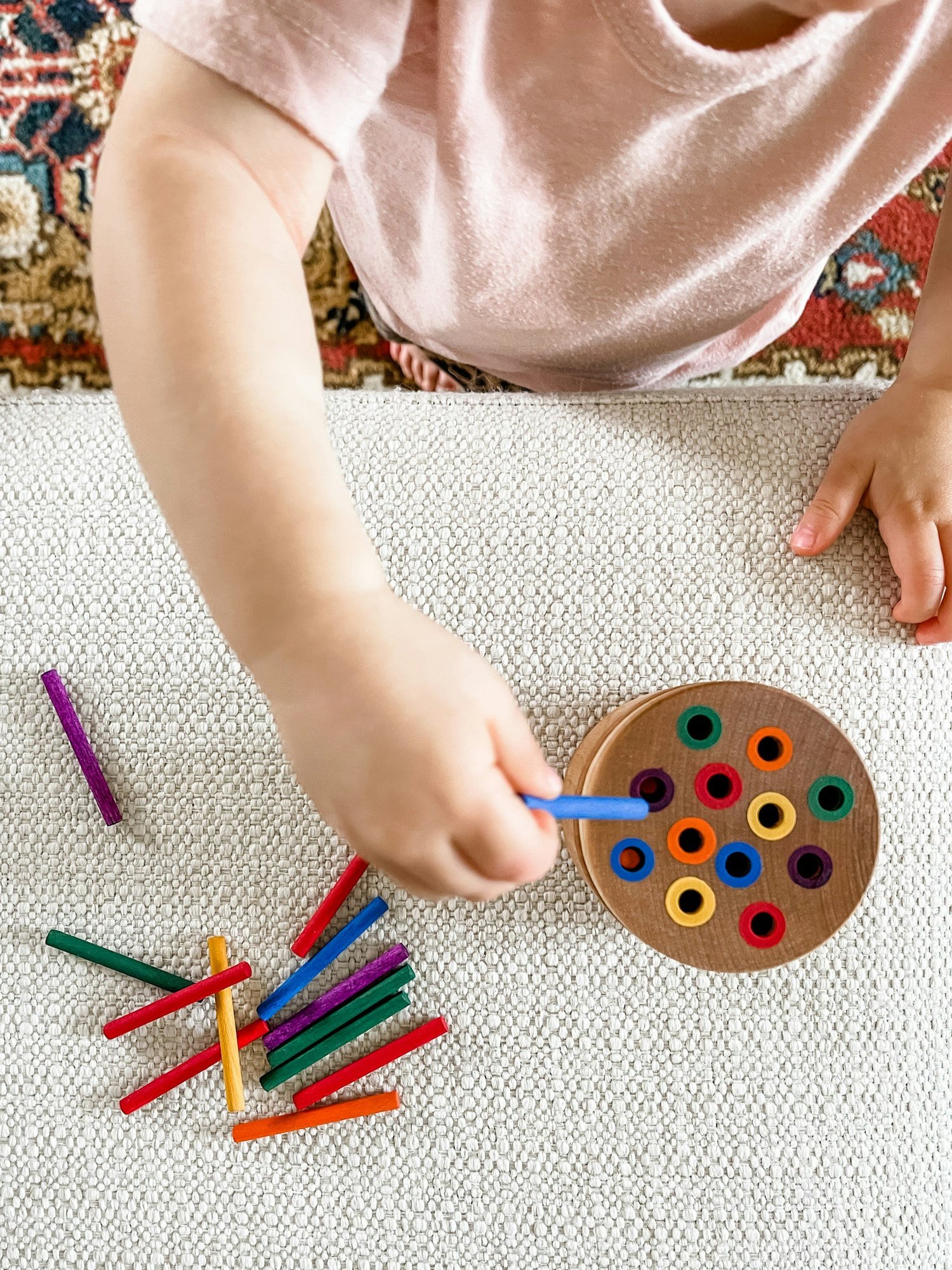
You hand your kiddo a shoelace and a little pot of beads, picture a calm, Montessori-quiet ten minutes… and instead the beads go flying, the lace gets chewed, and somebody's crying. Been there. Threading looks so simple to us — but for little hands it's one of the trickiest combos out there.
Here's the good news: lacing activities for preschoolers are some of the highest-value fine motor work you can do, and almost every frustration has an easy fix. Take a breath. Your kiddo isn't behind, and you don't need a fancy kit. Let's make threading actually fun — and sneakily build the exact hand skills they'll need for buttons, scissors, and one day, handwriting.
Why Lacing & Threading Punch So Far Above Their Weight
Threading a bead onto a string asks a lot of a little body all at once. One hand holds and steadies the bead (we call that the "helper hand"), the other guides the string through the hole, and the eyes track the whole thing. That's bilateral coordination (two hands doing two different jobs — more in my bilateral coordination activities post) plus a pincer grasp plus eye-hand coordination — the same trio I'm building in therapy when a kiddo's getting ready for scissors and pencils. The bead-holding hand is also doing a lot of quiet in-hand manipulation work, shifting and repositioning without ever setting the bead down.
And it's a problem-solver, too. Miss the hole, and they have to notice, adjust, and try again. That little loop of "oops, fix it" is gold for focus and patience. If you love the idea of skill-building with stuff you already own, my list of fine motor activities using things you already have at home runs on the exact same thinking.
The Real Order I Use by Age
The number-one threading mistake is starting too small, too soon. Match the activity to where their hands actually are — here's the progression I keep in my head in sessions.
12–18 months: drop & dump
Not threading yet — and that's perfect. Big rings onto a chunky ring-stacker, golf-ball-sized objects dropped into a coffee can. You're building the "let go on purpose" control threading needs.
Release · grasp18 months–2 years: thread onto a stick
Way easier than a floppy string. Stand a piece of dry spaghetti up in a blob of playdough and let them drop O-shaped cereal or tube pasta over it. The stick stays still so they only manage one thing at a time.
First threading2–3 years: big beads, stiff lace
Now we go portable. Chunky wooden beads on a stiff lace or a bent pipe cleaner, plus first lacing cards with great big holes. Bend the pipe-cleaner end so beads can't rain back off onto the floor.
Two hands · pincer3–4 years: smaller beads, real laces
Smaller beads onto an actual shoelace, simple color patterns to copy, and lacing cards where they follow the holes in order around the edge. This is the sweet spot for most preschoolers.
Sequencing · control4–5 years: tiny beads & sewing cards
Itty-bitty beads, real bead patterns and jewelry, and sewing cards with a blunt plastic needle and yarn. Their hands can finally handle true precision — let them make something to keep.
Precision · prideIf you remember one thing: smaller holes and floppier string = harder. When a threading activity gets too easy, shrink the bead or swap the stiff lace for a soft one.
🪡 My go-to: the Tape-Tip Trick
This one little move ends about 80% of threading meltdowns. Wrap a tight inch of tape (washi, masking, anything) around the tip of the lace or yarn so it stiffens into a hard little "needle." Suddenly the floppy end behaves, the string slides through, and your kiddo gets the win instead of the wrestle. I keep a roll in my therapy bag for exactly this.
Heads up: this post has Amazon affiliate links. If you grab something through them, Tiny Hands earns a small commission at no extra cost to you — it's what keeps the free worksheets free. Thank you!
My two starter picks for first threading
If you want a no-fuss starting point: lacing cards for the cross-body "helper hand," and wooden lacing beads for that pincer grasp. Big holes, thick laces, and toddlers think both are games, not practice.

Lacing Activities for Preschoolers, With Stuff You Already Have
You really don't need a kit. Half of my favorite threading activities come straight out of the pantry and the recycling bin.
1. Pasta necklaces
Penne, rigatoni, or any tube pasta on a length of yarn (tape that tip!). Dye the pasta with a splash of vinegar and food coloring if you're feeling fancy. Classic for a reason.
Threading · pincer2. Cereal on a spaghetti stand
O-shaped cereal over a piece of dry spaghetti stuck upright in playdough. The easiest "first thread" there is — and the snack motivation is real.
First threading3. Pipe cleaners through a colander
Flip a colander upside down and poke pipe cleaners through the holes. It's threading in reverse, and it keeps busy hands going for ages.
Two hands · control4. Button or bead shoelace
Thread big buttons or pony beads onto an actual shoelace — the aglet (that's the stiff plastic tip) does the Tape-Tip Trick's job for you. Sneaky shoe-tying prep, too.
Threading · prep5. Lace a paper plate
Hole-punch around the rim of a paper plate and let your kiddo "sew" a yarn lace in and out. Cheap, flat, and packable — basically a homemade lacing card.
Sequencing · helper hand6. Chenille-stem bead tree
Twist a few pipe cleaners into a little "tree," then load the branches with beads. Open-ended, no string to chase, and great for the 2–3 crowd.
Pincer · open-endedWant more grab-and-go toy ideas matched to each age? I rounded up my real session favorites in the games every OT needs — threading-friendly picks included.
When to Check In With an OT
Threading is play, not a test — a bad bead day means nothing. But a quick chat with a pediatric OT can be reassuring if, well into the preschool years, you notice things like:
A child who still can't get one hand to hold while the other threads by around age 3–4; hands that fatigue or quit almost instantly on any pinching or threading; or big frustration that doesn't budge even after you've made the activity bigger and easier. None of these is an emergency — they're just gentle "let's take a closer look" flags. Helping these little skills click, through play, is literally an OT's favorite job.
Lacing & Threading Questions I Hear a Lot
What age can kids start lacing and threading?
My preschooler gets so frustrated threading. Help?
Lacing cards or lacing beads — which should I start with?
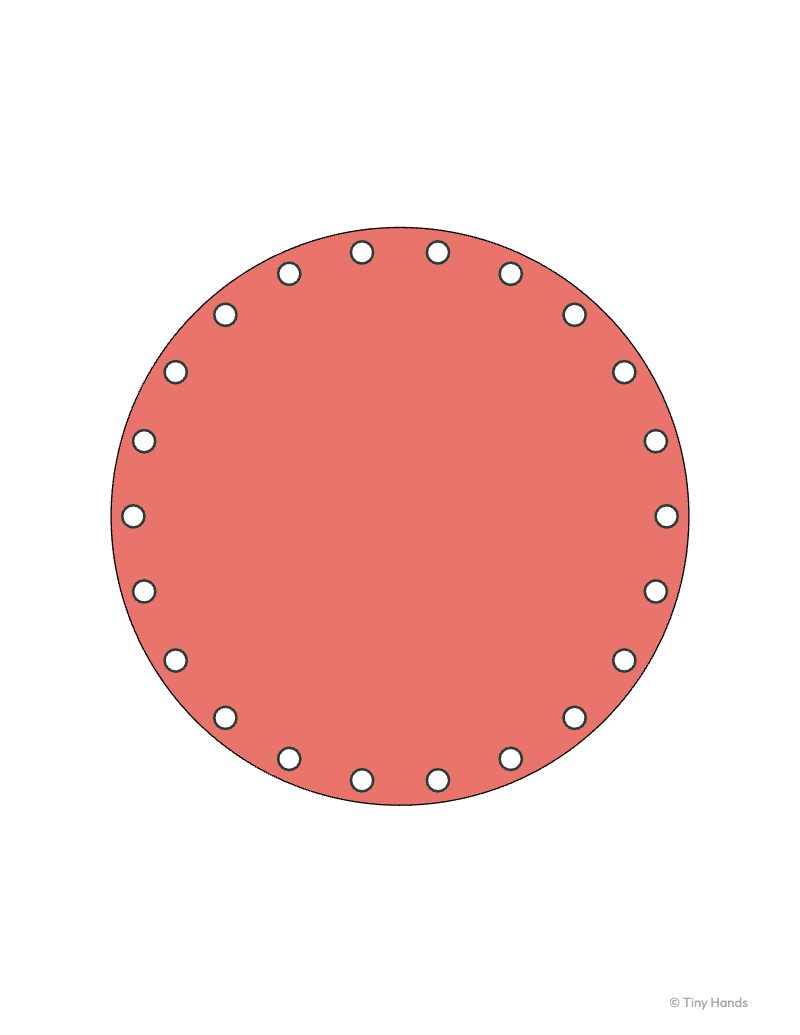
Want the Free Printable?
It's a free download, ready to print in two minutes.
Get Shapes Lacing CardsNew here? Grab the free pack first 🎁
Join the list and I'll send you the Fine Motor Starter Pack — 40+ print-ready pages to build those little hands at home. Plenty of lacing and threading prep inside.
Send My Free PackWant the whole library — sorted and ready?Peek at the membership →
This post is for learning and support — it isn't a diagnosis. © Tiny Hands