How Do I Teach My Child to Use a Combination Lock? The Circle, Circle, Straight Trick
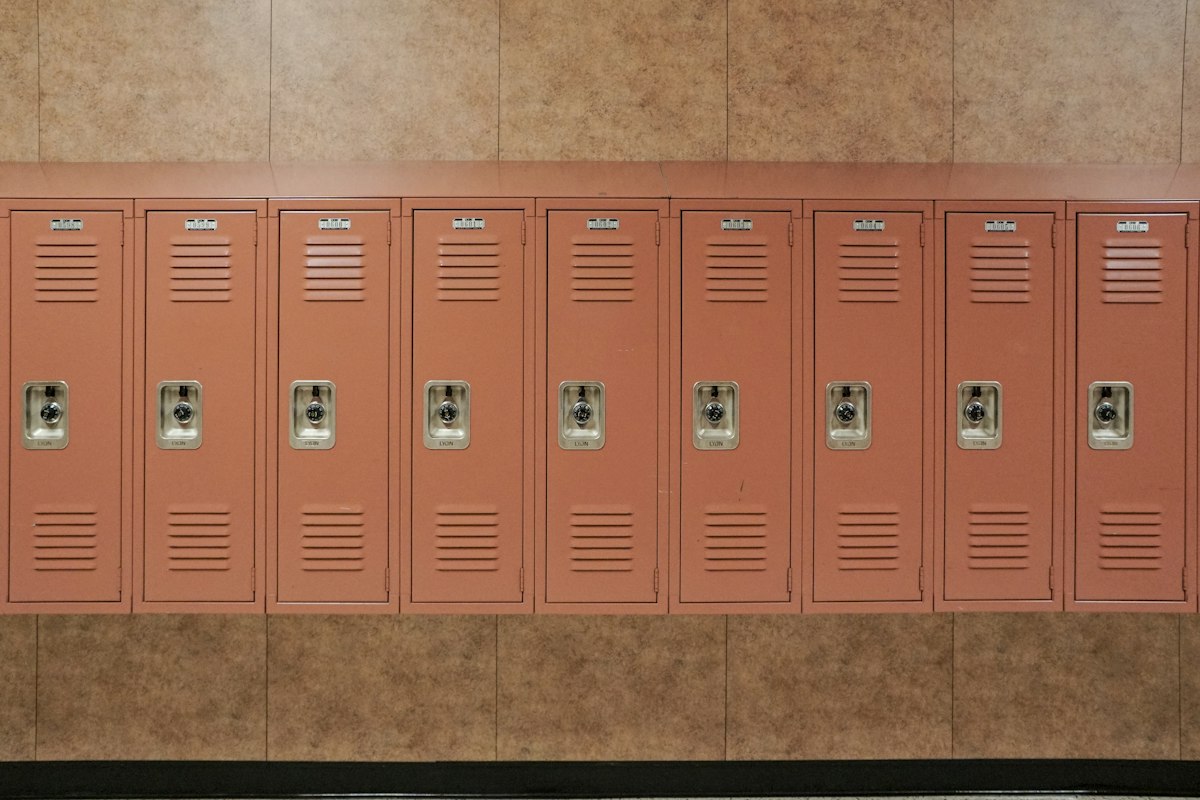
Picture it: first week with a real locker, and your kid comes home closer to tears than triumphant — because everyone else "just gets it," and they were the one standing in the hallway spinning the dial while the bell rang and the hallway cleared out. If you've typed how to teach a child to use a combination lock into a search bar at 9pm, you are so not alone, and neither is your kid.
Take a breath, because here's the good news: a combination lock isn't actually about being "smart enough." It's a motor-planning-and-sequencing skill, the same family as tying shoes or dialing a phone number, and it moves from step-by-step thinking into pure muscle memory with the right practice. The fastest way I teach it in sessions: turn the numbers into a physical pattern with a name instead of a string of digits to memorize. One big circle right, past the first number, then land on it. One circle left, past that same number again, then land on the second. Straight right to the third, and pop it open. Three moves, three words: Circle, Circle, Straight. A kid's hands remember a rhythm long before their brain remembers three random numbers. Give it about two weeks of short, low-stakes practice and it turns into one of the most satisfying "I did it myself" moments of the whole school year.
What's a Realistic Timeline for Combination Locks, by Age?
Locker locks usually show up around third or fourth grade, but "old enough" and "ready" aren't the same thing. Here's roughly what I see in sessions, age by age.
5–6 years: watch-and-wonder stage
Not developmentally there yet, and that's completely fine — the sequencing and fine motor demands are a lot for this age. Let them spin a lock just for fun, no goal attached. That curiosity is the seed of the skill.
Not there yet7–8 years: hand-over-hand stage
Can start learning with a lot of guidance. The numbers themselves are easy — remembering the order and the direction (right, then left, then right again) is the genuinely hard part at this age, so expect to do it together, a lot.
Learning it9–10 years: independent-with-practice stage
Most kids can manage it solo with a couple weeks of repetition, especially with a named trick to anchor the sequence. This is prime locker-lock age, and also right when it tends to show up for real at school.
Can do it11+ years: under-pressure stage
By now most kids can open it without thinking, which matters, because middle school doesn't give a generous passing period. This is where speed, not just accuracy, becomes the actual goal.
Fast & automaticWherever your kid lands on that list, the fix is the same: fewer numbers to remember, more of a pattern to feel. That's the whole idea behind my go-to trick.
🔐 My go-to trick: "Circle, Circle, Straight"
Skip the memorization and teach the motion instead. Stand behind your kid (or sit beside them) and physically guide their hand through three moves while you say them out loud, the same way every time: "Big circle right" (spin past the first number once, all the way around, then stop on it), "little circle left" (pass that same number again, then stop on the second), "straight right" (go directly to the third number, no extra spin). Chant it as you go — circle, circle, straight — so the words and the motion fuse together. Give it a couple of sessions and most kids stop thinking about the numbers at all; they just follow the chant. Their hands do the remembering. Their brain just keeps the beat.

What Are Easy Ways to Practice at Home?
You don't need the actual school locker to build this skill — any lock will do, and a little low-stakes repetition goes a long way.
1. Borrow a lock with zero stakes attached
Dig up an old bike lock, suitcase lock, or gym lock and let your kid practice at the kitchen table with no bell about to ring and no line of classmates watching. Removing the time pressure is half the battle.
Low stakes2. Draw a giant dial with sidewalk chalk
Chalk a big circle with numbers around the edge and let your kid walk the sequence with their whole body — big steps right, big steps left, straight over. Rehearsing the pattern with their arms and legs first makes the tiny wrist version click faster later.
Gross motor3. Turn the combo into a tune
Sing the numbers to a familiar melody, the way we sing the alphabet — it sticks better than a sticky note ever will.
Memory4. Write it small, tuck it close
For the first couple of weeks, write the combination on a tiny card tucked inside a zipper pocket — a safety net, not a crutch. Fade it out once you notice them not even glancing at it anymore. This pairs nicely with the routines in backpack and desk organization if their whole bag needs a system, not just the lock.
Backup plan5. Add a gentle timer once it's automatic
Once your kid can open the lock accurately every time, start timing it — casually, like a game, not a countdown that stresses them out. This is the step that gets them ready for a real, busy hallway between periods.
SpeedTwo or three short practice rounds a week, in a calm moment (not five minutes before the bus), is plenty. This is the same kind of small, repeatable, hands-on practice I build into every teaching kids independence at school plan — tiny reps, low pressure, big payoff.

Want more sequencing & fine motor practice pages?
A locker lock is really a sequencing skill wearing a motor-planning costume — and it's the exact kind of "small steps, big independence" skill I build printables around. Browse the fine motor practice pages in the membership library for more of this same idea, in dozens of formats.
See the Fine Motor LibraryWhen Should I Check In With an OT About Motor Planning?
Some kids get this in a week. Others need a month of the same three words repeated on loop, and that has nothing to do with how bright or capable that kid is anywhere else. A combination lock asks a brain to hold a sequence, a direction, and a count all at once — genuinely one of the harder multi-step tasks we throw at an 8-year-old, right up there with tying shoes.
Bring it up with a pediatric OT if the struggle isn't really about the lock. Maybe your child also loses the thread halfway through a morning routine, or a craft with several steps, or a dance with a set order of moves. Maybe anything that needs both hands doing different jobs at once always seems to take longer than it should for them. Or maybe the meltdown over a lock is just bigger than a lock has any business causing. A good OT can take "still can't get it" and turn it into a plan built around how your specific kid's brain sequences things — you don't need to wait for a crisis to start that conversation.
New here? Grab the free pack first 🎁
Join the list and I'll send you the Fine Motor Starter Pack — 40+ print-ready pages to build those little hands at home, from first scoops to strong little grips.
Send My Free PackWant the whole library, sorted and ready to print? Peek at the membership →
This post is for learning and support — it isn't a diagnosis. © Tiny Hands