
How to Help Kids Name Their Big Feelings: Simple Emotions Activities for Preschoolers

Here's a scene you probably know by heart: your kiddo is on the floor, red-faced and sobbing, and when you gently ask "what's wrong?" you get… nothing. Just more crying. It's not that they're being difficult — it's that they honestly don't have the words yet. A three-year-old feeling frustrated and a three-year-old feeling tired and hungry can look exactly the same from the outside, and they feel almost the same from the inside too.
That's why emotions activities for preschoolers are some of my favorite tools to share. When a child can point to "I feel frustrated," something shifts — the feeling gets a little smaller and a lot more manageable. Let me walk you through the simple, play-based ways I build feelings vocabulary with little ones, no worksheets-at-a-desk required (though I've got those too, if you want them).
First: Why "Naming It" Actually Calms Big Feelings
There's a phrase therapists love — "name it to tame it" — and it's backed by how little brains actually work. When a child is swept up in a big emotion, the reacting part of their brain is running the show. The moment they put a word to what they're feeling, they nudge the thinking part of the brain back online. Naming the feeling literally helps settle it.
So this isn't a "nice to have" skill. Building a feelings vocabulary is the very first building block of self-regulation — the thing that lets a kid eventually notice "I'm getting mad" and choose a break instead of a meltdown. And the beautiful part? You build it through play, not lectures.
Simple Emotions Activities to Try Today
Pick one or two that fit your kiddo — you don't need all of them. The goal is little, low-pressure moments of noticing feelings, sprinkled through an ordinary day.
Make feelings faces in the mirror
Stand at a mirror together and take turns making a happy face, a sad face, a mad face, a surprised face. Name each one as you go. Kids learn emotions partly by feeling them in their own eyebrows and mouth — this is sneaky-powerful body learning.
Body awarenessPause and "feelings-spot" in books
You're already reading together — just add one question. "Ooh, how do you think the bunny feels right now?" Storybooks are a safe, no-stakes place to practice reading faces and naming emotions before real life throws a big one at them.
Everyday practiceSort and match feelings cards
Lay out a few emotion faces and play "find the one that matches me" or "make this face." Matching a picture to a feeling gives kids a visual anchor they can point to later, when their words have completely left the building.
Visual vocabularyDo a body check-in
Feelings live in the body first. Try "where do you feel the mad — is your tummy tight? Are your hands buzzy?" Helping a child connect the physical clues to the emotion builds the early-warning system that heads off big blowups.
InteroceptionPlay emotions charades
Take turns acting out a feeling and guessing it. Silly and giggly on purpose — when kids are having fun, they're relaxed enough to actually absorb the learning. Toss in the trickier ones too: jealous, nervous, proud, embarrassed.
Playful learningNarrate your own feelings out loud
The most powerful one, and it's free: "I'm feeling frustrated that we're running late, so I'm going to take a deep breath." You're modeling the whole skill — noticing, naming, and coping — in five seconds. Kids soak up far more from what we do than what we tell them to do.
ModelingNone of these take special gear or a chunk of time. A minute here, a book question there — that's how a feelings vocabulary quietly grows.
💙 My one golden rule: name the feeling, allow the feeling
When you name your child's emotion for them — "you're so disappointed that we have to leave the park" — resist the urge to immediately fix it or talk them out of it. Just naming it, and letting them know the feeling is okay, is the lesson. "It's okay to be mad. It's not okay to hit — let's stomp it out instead." We're not trying to erase big feelings; we're teaching kids that every feeling is allowed, even the uncomfortable ones. That's what makes them feel safe enough to keep sharing.
When Big Feelings and Sensory Overwhelm Travel Together
Here's something I want you to keep in your back pocket: sometimes what looks like a purely emotional meltdown is actually a sensory one. A too-loud room, an itchy tag, or a body that's craving movement can push a kiddo straight over the edge — and no amount of feelings vocabulary will help if the real problem is the tag. If you're noticing that big feelings tend to show up alongside overwhelm, my roundup of sensory-friendly ideas can help you spot what's setting off the alarm bells in the first place.
And once a feeling has gotten big, naming it is step one — having a soft place to go is step two. That's exactly what a calm down corner is for: a cozy, judgment-free spot where a child can reset their body once the words have run out. The two skills work hand in hand — name the feeling, then move the body toward calm. For the next step up — actually managing those big feelings once they're named — my emotional regulation activities for kids post picks up right where this one leaves off.
Heads up: this post has an Amazon affiliate link. If you grab something through it, Tiny Hands earns a small commission at no extra cost to you — it's what keeps the free worksheets free. Thank you!
The feelings cards I reach for
If you want a grab-and-go option, I love a simple deck of emotions flashcards. Fifty cartoon faces with a coping idea printed right on the back — so when your kiddo points to "frustrated," you've already got a next step ready. Great for the mirror game, matching, and charades, and small enough to toss in a bag for the inevitable big-feelings moment out in the world.
Feelings puppets for the words that won't come out loud
For a kiddo who clams up when you ask directly, I love a set of feelings hand puppets. Kids will tell a puppet what they'd never say to your face — a warm, playful way to practice naming mad, sad, and scared, and a lovely partner to the mirror game and charades above.
Want the printable feelings chart?
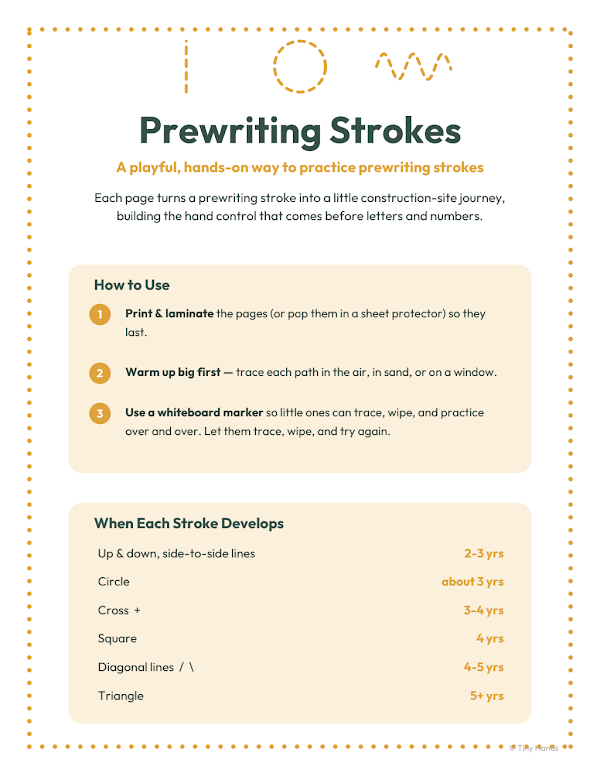
My feelings chart and emotions matching cards live in the membership — a simple "how do I feel today?" poster, printable feeling faces for sorting and charades, and calm-down prompts to pair with them. Print, cut, and you've got a ready-made feelings kit in about two minutes.
See the Membership PagesNew here? Grab the free pack first 🎁
Join the list and I'll send you the Fine Motor Starter Pack — 40+ print-ready pages to build those little hands, plus first dibs on new feelings and calm-corner printables.
Send My Free PackWant the whole library, sorted and ready? Peek at the membership →
This post is for learning and support — it isn't medical advice or a diagnosis. If big feelings are overwhelming your family, a licensed professional can help. © Tiny Hands