
Dysgraphia vs. Dyslexia: What's the Difference (and How to Tell)
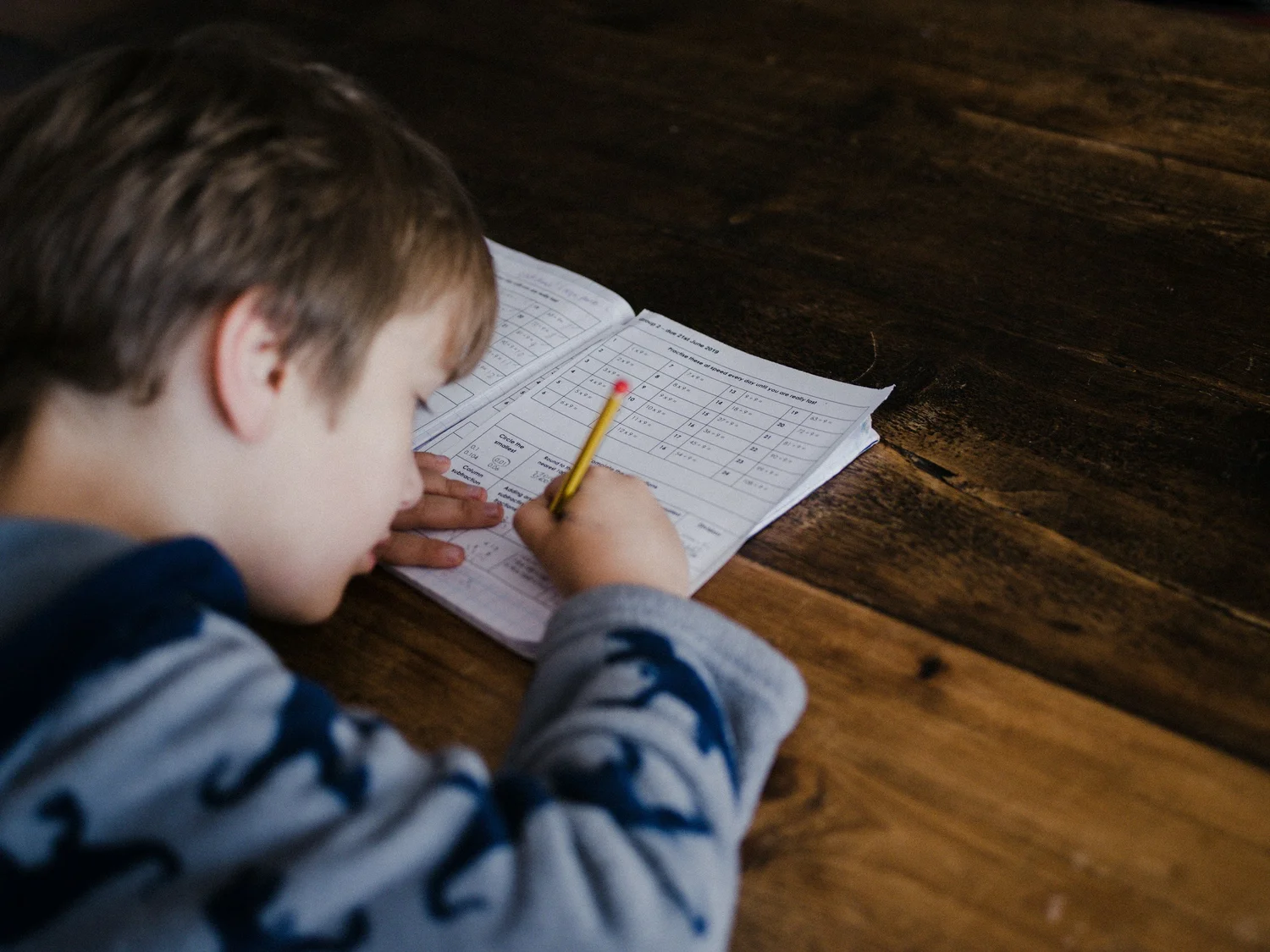
Your kiddo is bright — you can hear it in the stories they tell and the questions they ask. But put a book or a pencil in front of them and everything seems to stall. Somewhere along the way you heard two words that sound almost the same, dysgraphia and dyslexia, and now you're not sure which one you're looking at, or if it's both.
Take a breath — you're in exactly the right place. The words are cousins, but they point at two different struggles. So let's untangle dysgraphia vs. dyslexia in plain language: what each one actually is, how to spot the difference, and what genuinely helps. No jargon, no doom. Just clarity.
The Quick Version
Here's the whole thing in one breath: dyslexia is mostly about reading. Dysgraphia is mostly about writing.
Both are learning differences — the brain is wired to process certain information in its own way. Neither has anything to do with how smart your child is (kids with dyslexia and dysgraphia are often whip-smart). And both are real, recognized, and very much helpable. That's the headline. Now let's look closer.
What Dyslexia Actually Is
Dyslexia is a language-based learning difference that mainly affects reading. The core struggle is with something called phonological awareness — connecting the sounds in spoken words to the letters on the page. That makes sounding out (decoding) words slow and effortful.
It's not about seeing letters backwards, even though that myth is everywhere. A child with dyslexia sees the page just fine; the tricky part is the sound-to-letter code underneath.
Signs that lean dyslexia
Trouble rhyming or hearing the sounds in words; slow, choppy reading; guessing at words from the first letter; mixing up similar-sounding words; reading feels exhausting even though talking and thinking are strong.
Reading & soundsWhat Dysgraphia Actually Is
Dysgraphia mainly affects writing — the physical act of getting letters onto paper and, often, organizing thoughts into written words. It has two sides that can show up together or on their own: a motor side (forming letters, spacing, staying on the line, an awkward or painful grip) and an orthographic side (remembering how letters and words are supposed to look, spelling as they write).
The classic tell: a child who can explain a brilliant idea out loud, but whose writing is messy, slow, tiring, and nowhere near as rich as their thinking. The bottleneck is the pen, not the brain.
Signs that lean dysgraphia
Messy or hard-to-read handwriting; letters different sizes or floating off the line; unusual, tight, or tiring pencil grip; writing much slower than peers; avoiding writing tasks; a big gap between spoken ideas and what lands on the page.
Writing & handsThe Part That Confuses Everyone: Reversals
Both camps get blamed for the same thing — letters flipped backwards, the famous b/d mix-up. Here's the reassuring truth: reversing letters is completely normal well into kindergarten and even first grade, no matter what's going on. It's a spatial-memory thing, not a red flag on its own.
Can a Child Have Both?
Yes — and it's common. Because dyslexia and dysgraphia both touch the world of written language, they frequently travel together, and both can also show up alongside things like ADHD. That's not double the bad news; it just means a fuller picture helps you get the right kinds of support in place.
Quick cheat sheet if you only remember one thing: if the struggle is getting words off the page (reading), think dyslexia. If it's getting words onto the page (writing), think dysgraphia.
What Actually Helps
Different struggles, different helpers — and there's real, effective support for each.
For dyslexia, the gold standard is structured, explicit reading instruction (you'll hear names like Orton-Gillingham or "structured literacy") from a trained reading specialist. Early, systematic sound-and-letter practice makes a genuine difference.
For dysgraphia, this is where an occupational therapist (hi!) often steps in. We work the motor side — hand strength, grip, letter formation, spacing — usually through play, plus smart accommodations: pencil grips, slant boards, typing when handwriting is the barrier, and paper designed to make letters land where they belong. My post on why writing feels so slow and effortful for some kids is full of the low-pressure ways I build those skills without tears, and if letters keep landing in the wrong spot on the page, my post on handwriting on the lines has more targeted fixes.
Heads up: this post has an Amazon affiliate link. If you grab something through it, Tiny Hands earns a small commission at no extra cost to you — it's what keeps the free worksheets free. Thank you!
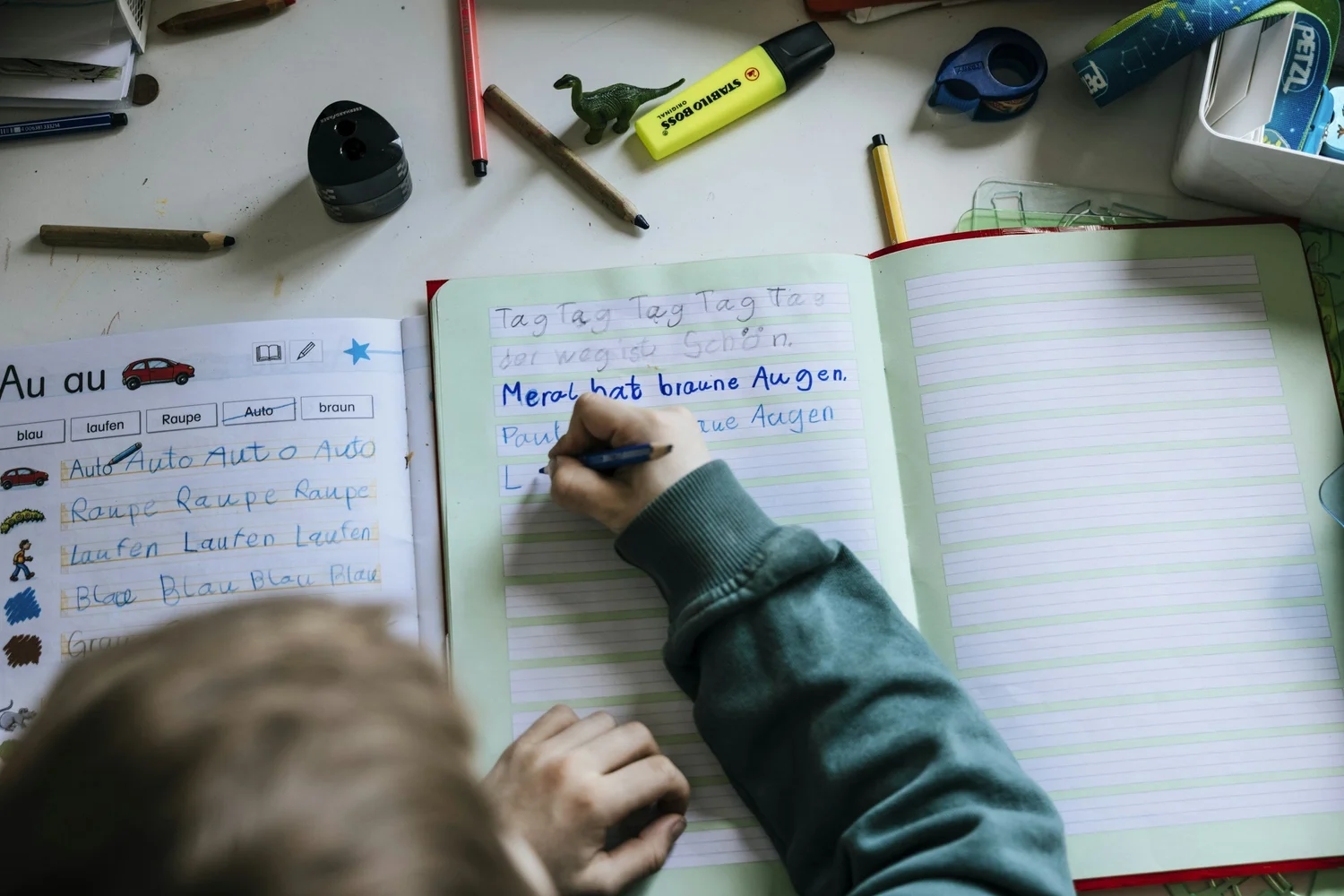
My favorite dysgraphia helper: highlighted handwriting paper
One of the simplest game-changers for a struggling writer is paper that shows the hand exactly where to go. I loved this tool so much I made my own — Bright Lines, a highlighted handwriting notebook where a colored block marks where letters start and sit. It quietly fixes floating, uneven letters and takes the guesswork (and the frustration) out of writing.
When to Get an Evaluation
A single messy worksheet or a slow reading week is not a diagnosis — kids develop on wildly different timelines, and most letter mix-ups sort themselves out. But it's worth reaching out for a closer look if, past the early years, you notice the struggle is persistent, is bigger than their peers', tires them out fast, or is starting to dent how they feel about school or themselves.
Who to ask? A dyslexia evaluation usually runs through the school or an educational psychologist; for the handwriting and motor side of dysgraphia, a pediatric OT can assess and help. And remember, you can request a school evaluation in writing at any time — a plan like an IEP or 504 can unlock support at no cost.
Getting the name for what's happening isn't a label that limits your child — it's the key that unlocks the right help. And the right help changes everything.
Want gentle handwriting practice at home?
My letter-formation and handwriting practice pages live in the membership — clear starting dots, roomy lines, and playful repetition that builds the writing muscles without the battle. Print one in two minutes.
See the Membership PagesNew here? Grab the free pack first 🎁
Join the list and I'll send you the Fine Motor Starter Pack — 40+ print-ready pages to build the little hands behind strong, steady handwriting.
Send My Free PackWant the whole library, sorted and ready? Peek at the membership →
This post is for learning and support — it isn't medical advice or a diagnosis. If you're worried, a licensed evaluator can give you real answers. © Tiny Hands