
Just Got an Autism Diagnosis? Start Here — A Calm First-Steps Guide
You walked out of an appointment holding a report, a diagnosis, and about a thousand feelings you don't have names for yet. Maybe relief that someone finally sees what you've been seeing. Maybe fear. Maybe a knot of "okay… so what now?" that's been sitting in your chest ever since.
First, take a breath. If you just got an autism diagnosis for your child, I want you to hear this from someone who's sat beside a lot of families at this exact moment: your kiddo is the same wonderful person they were the day before that report existed. Nothing about them changed. What changed is that you now have a map — a way to understand how their brain works and how to help them thrive. That's a gift, even when it doesn't feel like one today.
So let's slow it all down. Here's where to actually start, in plain language, one step at a time.
First, Let Yourself Feel It
Before any to-do list, this: whatever you're feeling right now is allowed. Grief and love live in the same house sometimes, and feeling a wave of sadness doesn't make you a bad parent — it makes you a parent who loves fiercely and is adjusting the picture in your head.
You don't have to become an expert by Friday. You don't have to have a plan tonight. The diagnosis has been true for a while; you have time to breathe before you build. Give yourself a few days to just be your kid's parent before you become their case manager.
The First Steps, One at a Time
When you're ready — not a second before — here's the order I gently walk families through. You don't do all of these this week. You just do the next one.
1. Get the report in writing
Ask for the full written evaluation, not just the verbal summary. You'll reference it for years — for school, for therapies, for insurance. Start one folder (paper or a phone photo album) and keep every document in it from day one.
Your paper trail2. Learn how your child is wired
Autism looks different in every kid. Notice your child's specific patterns — what soothes them, what overwhelms them, what lights them up. You're becoming the world's leading expert on one very important person.
Watch & learn3. Ask about early intervention or services
Depending on your child's age, ask your pediatrician about early intervention (under 3) or an evaluation through your school district (3 and up). This is the door to speech, OT, and other supports — often at low or no cost.
Where help starts4. Loop in school (when it's time)
If your child is school-aged, a diagnosis can open the door to an IEP or a 504 plan. It feels like a mountain of acronyms at first — I broke the whole thing down in my step-by-step guide to the IEP process for parents so it feels a lot less scary.
School support5. Find your people
A parent support group — online or local — is worth its weight in gold. The families a few steps ahead of you have the tips, the shortcuts, and the "me too" you didn't know you needed. You are so much less alone than it feels right now.
CommunityNotice what's not on that list: fixing your child. That was never the assignment. The goal is always to understand and support the kid you have — not to reshape them into a different one.
💛 My go-to: the One-Page "Meet My Kid" Sheet
You're about to repeat your child's story to a lot of new people — therapists, teachers, sitters. Save your voice and write it once. On a single page, jot down: what calms your child, what overwhelms them, how they communicate, their absolute favorite things, and what a good day looks like. Hand it to every new person on the team. It turns a stranger into someone who "gets" your kid in about two minutes — and it reminds everyone (you included) to lead with strengths.
Small Ways to Support at Home (No Fancy Anything Required)
You don't need a therapy room or a cabinet of special tools. So much of what helps happens in ordinary moments, with stuff you already own. As an OT, two of my favorite low-key starting points:
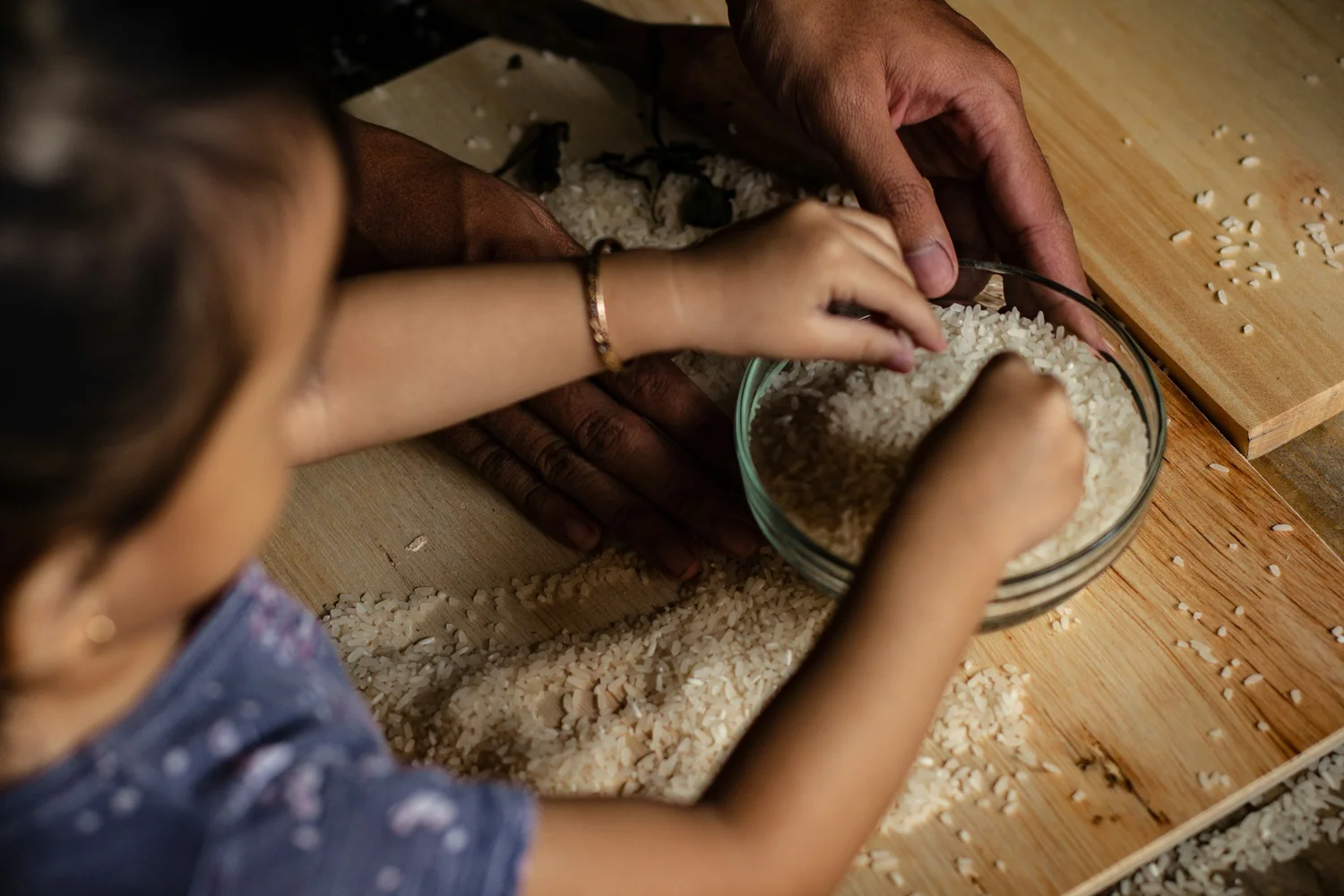
Lean into the senses. Many autistic kids seek or avoid certain sensory input, and giving their body what it's craving can head off a lot of overwhelm. A simple sensory bin — dry rice, a few scoops, a couple of hidden toys — is calming, screen-free, and sneakily great for little hands. My easy sensory bin ideas are all built from pantry basics.
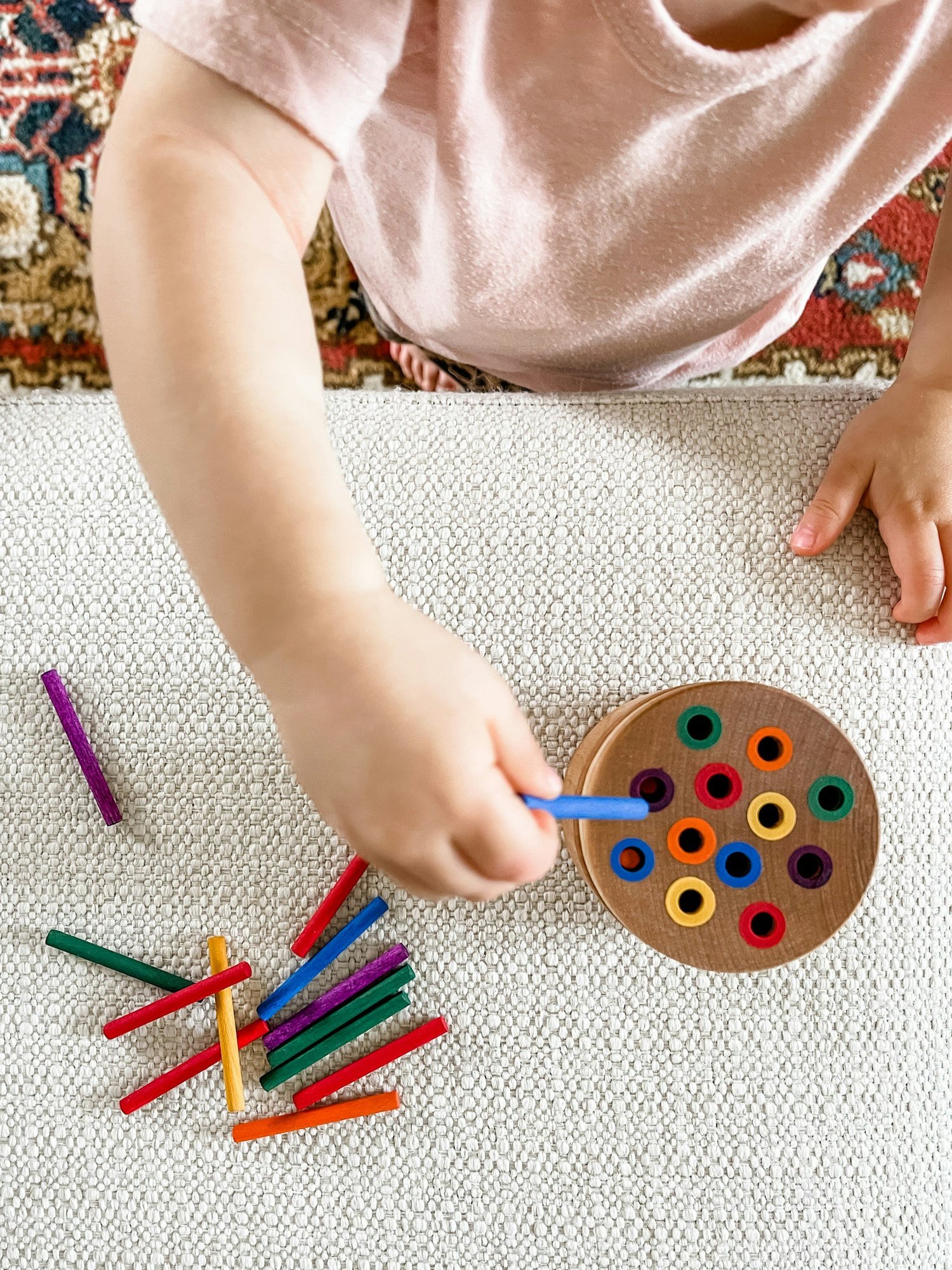
Build hand skills through play. Getting dressed, using a fork, holding a crayon — the everyday independence stuff runs on fine motor skills, and those grow best through play, not drills. My round-up of fine motor activities using things you already have is full of five-minute, no-pressure ideas you can weave into a normal afternoon.
Try a predictable, picture-based routine. Many autistic kids do beautifully once the shape of the day is something they can actually see coming. My visual schedules for autistic kids post walks through how to set one up at home, step by step.
Keep it playful and short. If it stops being fun, you stop. Ten happy minutes beats an hour of pushing, every single time.
You've Got This
Here's what I most want you to carry out of this post: a diagnosis is not a limit on your child's life. It's a key. It unlocks understanding, support, services, and a whole community of people — including this one — who are cheering your kid on.
You will learn this new language. You'll figure out the therapies, the school stuff, the routines that work for your family. Not all at once, and not perfectly, and that's completely fine. You already do the one thing that matters most every single day: you love this kid and you show up. That's the whole foundation. Everything else, you learn as you go.
Gentle at-home activities, ready to print
When you're ready to play with a little purpose, my print-and-go pages live in the membership — sensory play, fine motor mats, and pencil-control practice, all low-pressure and sorted by skill. Pull one up in two minutes; no prep, no special supplies.
See the Membership PagesNew here? Grab the free pack first 🎁
Join the list and I'll send you the Fine Motor Starter Pack — 40+ print-ready pages to build those little hands at home through play, at your child's own pace.
Send My Free PackWant the whole library, sorted and ready? Peek at the membership →
This post is for learning and support — it isn't medical advice or a diagnosis, and every autistic child is wonderfully different. Always partner with your child's own care team. © Tiny Hands