Dressing Skills, Age by Age
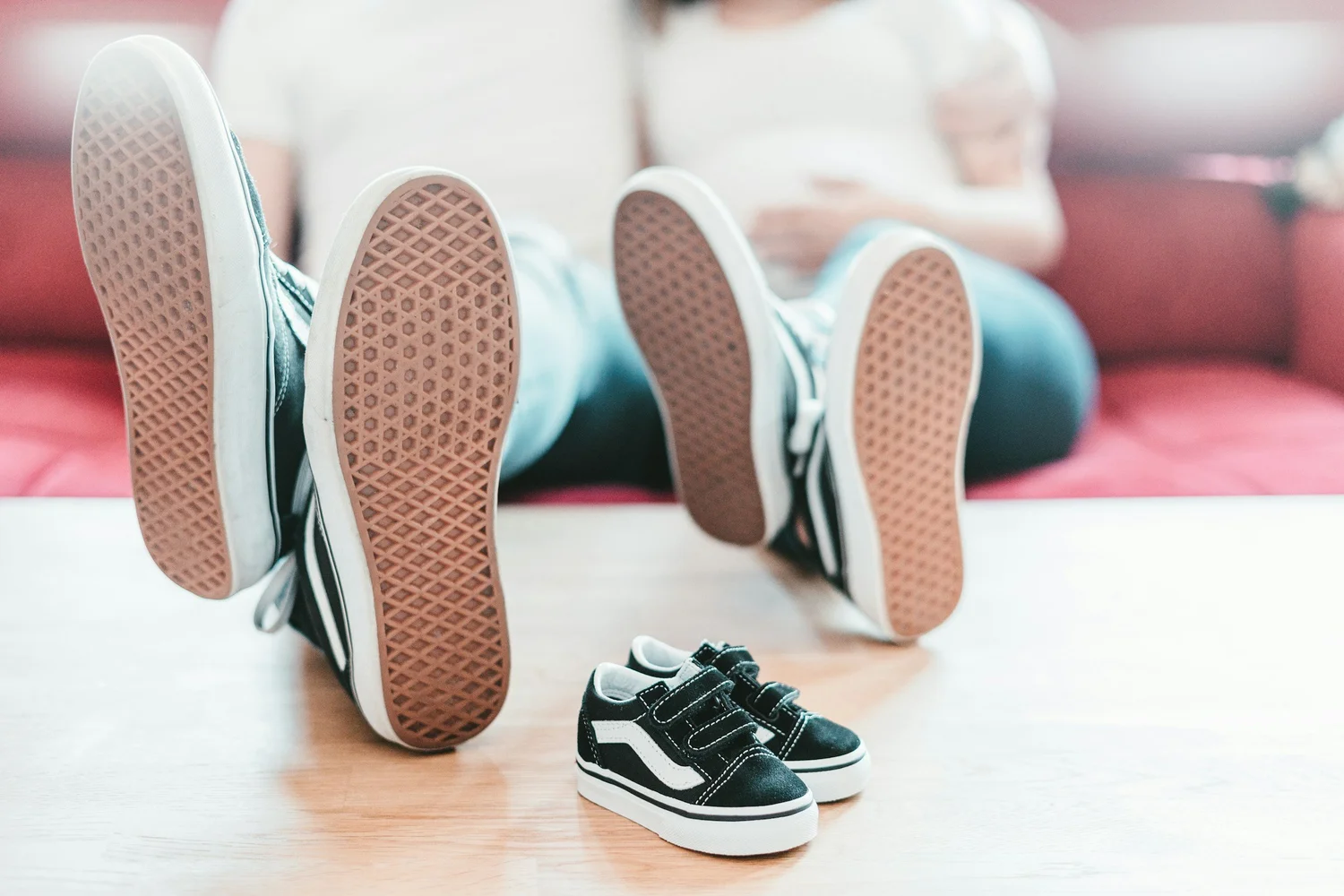
You're already running late, and your kiddo is determined to put their own shoes on. On the wrong feet. Slowly. We've all been there — that tug-of-war between "let me just do it" and "but they're trying so hard." Here's the good news from an OT: every one of those slow, wobbly attempts is real skill-building, and it pays off sooner than you'd think.
Getting dressed pulls together a lot at once — hand strength, using both hands together, balance, body awareness, and the patience to stick with something tricky. So it shows up in a pretty predictable order. Here's roughly what to expect at each age, and how to help without taking over.
What to expect, age by age
Around 1 — the "helper" stage
This is mostly about undressing and cooperating. Your baby will push an arm through a sleeve when you hold it open, pull off their own socks (gleefully), and yank off a hat. Narrate it as you go — "arm in!" — so they start linking the words to the moves.
Cooperates & undressesAround 2 — off comes everything
Undressing gets real. Most two-year-olds can take off shoes, pull down stretchy pants, and tug off a loose shirt. They'll also start pulling pants up with help. Stick to elastic waists and loose tops so the clothes aren't fighting back.
Takes off · pulls upAround 3 — dressing with a little help
Now they can put on loose clothes and shoes (front-and-back, left-and-right are still a coin flip), and manage big buttons and a chunky zipper once you start it. Lay clothes out the right way and let them drive — your job is just the fiddly bits.
Dresses with helpAround 4 — mostly on their own
Four is a big leap. Many kids dress and undress themselves, button most buttons, and zip a coat after you hook the zipper together. Front-versus-back starts clicking. This is the perfect age to practice the tricky fasteners during calm, no-rush moments — not at 7:48 on a school morning.
Buttons · zipsAround 5 — the independent dresser
By now most kids dress themselves start to finish, get their clothes facing the right way, and handle buttons, snaps, and buckles. Shoe-tying is the last big one and usually lands somewhere between 5 and 7 — totally normal if it takes a while.
Fully independentThe trick that speeds it all up
It's called "backward chaining," and OTs lean on it constantly. You do almost the whole task, then let your kiddo finish the very last step — pull the sock the last inch over the heel, push the zipper pull up the final stretch. Finishing feels like winning, so they stay motivated, and you slowly hand over more of the steps as they're ready.
Easy ways to practice
You don't need a lesson — you need reps, and dressing happens several times a day anyway. Build in a few extra minutes so it's not a rush, dress a favorite stuffed animal or doll for low-pressure practice, and let them pick between two outfits so they're invested. And for the fiddly fasteners that frustrate everyone, a dedicated practice toy lets them drill on the couch instead of in the doorway:
The dressing board I love
Zippers, buttons, buckles, and laces all in one place, so kids drill the fiddly self-dressing skills right on the couch.
Heads up: this post has Amazon affiliate links — if you grab something through them, Tiny Hands earns a small commission at no extra cost to you. Thanks for keeping the free worksheets free!
Most of all, sit on your hands a little. The pause before you jump in to "fix" it is where the learning happens — even when the shoes end up on the wrong feet.
When to check in
These ages are guides, not deadlines — kids hit them in their own time. But if dressing is a daily battle well past these stages, if your kiddo tires fast or avoids it completely, or they seem a real stretch behind same-age friends, a quick chat with a pediatric OT can help. Sometimes it's hand strength, sometimes body awareness, sometimes just needing the steps broken down — all very workable.
Crafts That Build Dressing Hands
My cut-and-paste craft pages build the pinch-and-pull strength behind buttons, zippers, and getting dressed — fun first, skills sneak in.
Grab It in the LibraryThis post is for learning and support — it isn't a diagnosis. © Tiny Hands