Classroom Seating Accommodations That Help Kids Focus
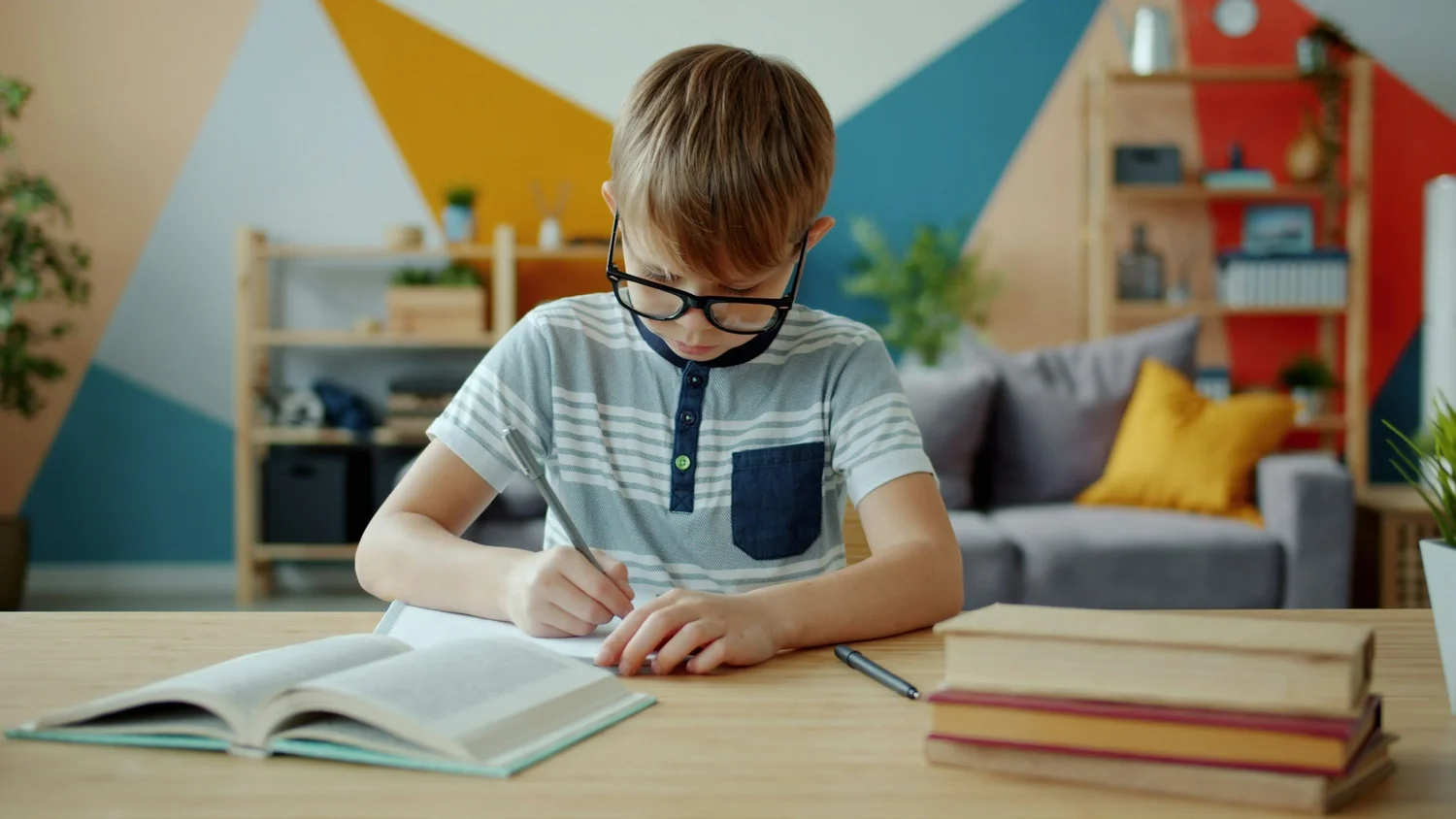
The kid who's halfway out of their chair, wrapping their legs around the chair legs, or sliding to the floor by 10am usually isn't trying to be disruptive. Their body is hunting for the movement and input it needs to stay alert and focused — and a standard hard chair just isn't giving it. The fix is rarely "sit still." It's the right seat.
Whether you're a teacher setting up a classroom or a parent advocating for your child, here are the seating accommodations a pediatric OT actually reaches for to help wiggly kids settle and focus.
Heads up: this post has Amazon affiliate links — if you grab something through them, Tiny Hands earns a small commission at no extra cost to you. Thanks for keeping the free worksheets free!
Why some kids can't sit still
A few quick reasons behind the wiggle — none of them about willpower.
They're seeking movement
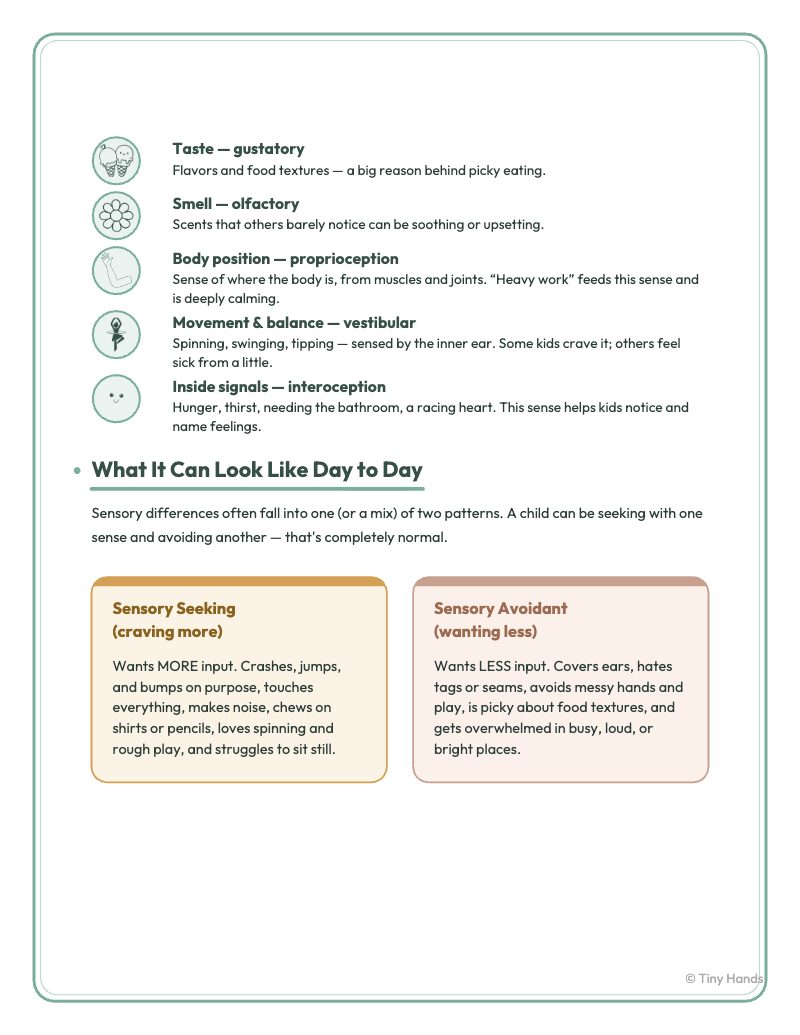
Some nervous systems need extra movement input to feel alert and organized. Without it, they get fidgety, foggy, or check out — so they create their own movement by rocking, tipping, and wandering.
Sensory seekingTheir core is still building
Sitting upright at a desk is hard work. A child with a weaker core will slump, prop on an elbow, or wrap their legs around the chair just to hold themselves up — leaving little energy for the actual lesson.
Postural strengthThe chair doesn't fit them
Feet dangling, desk too high, no back support — an ill-fitting setup makes any kid squirm. Sometimes "can't sit still" is really "this chair was built for a different-sized body."
ErgonomicsSeating accommodations that help them focus
You don't need a whole flexible-seating overhaul. Even one or two of these can change a child's whole day. Match the tool to the kid.
A wobble cushion
An inflated wobble cushion (also called a "move-n-sit" or wiggle cushion) lets a child bounce and shift while staying in their seat. It gives the movement-seeking body what it needs without ever leaving the desk — my number-one classroom pick. For a whole class, a budget 4-pack stretches further.
Movement in placeFeet flat & supported
Feet planted firmly on the floor (or a footrest/box if they dangle) gives the body a stable base. It sounds tiny, but grounded feet dramatically improve a child's ability to sit and attend.
Stable baseA resistance band on the chair legs
Stretch a sturdy band across the front legs of the chair so a child can bounce or push their feet against it. It's quiet, contained movement that keeps restless legs busy and minds on task. Prefer a no-DIY option? A set of wobble chair feet snaps onto the legs and turns any chair into a gentle rocker.
Quiet movementA weighted lap pad
For the child who's more revved-up than wiggly, a weighted lap blanket draped over the lap gives calming, grounding deep pressure that helps a busy body settle into focus.
Calming inputA standing or alternative spot
Offer a standing desk, a tall stool, or a spot at the back where a child can stand to work. Some kids concentrate far better on their feet than pinned to a chair. A height-adjustable wiggle stool is a great active-seating pick for that spot.
Flexible seatingFloor seating with support
Criss-cross on the rug against a wall or a low chair gives back support and a grounded position — great for carpet time or independent reading for kids who slide out of desk chairs. A scoop rocker floor seat gives that same grounded support with a little allowed wiggle.
GroundedA fidget for the hands
A quiet fidget (a textured strip under the desk, a putty, a Velcro patch) gives restless hands a job so the rest of the body can stay put. Keep it boring enough to not become a toy.
Busy handsThe right spot in the room
A seat near the front, away from high-traffic doors and windows, with a clear view of the teacher cuts down on distractions that pull a sensitive kid off task before they even begin.
Low distractionTwo classroom-seating faves
A wobble cushion lets a wiggly kid move without leaving their seat, and a weighted lap pad gives the calming pressure a revved-up body needs to settle — both are easy, low-cost ways to support focus.
OT tip: pair seating with movement breaks
The best seat in the world still needs refueling. Build in short "heavy work" movement breaks — chair push-ups, carrying a stack of books, a quick errand to the office — every 20 to 30 minutes. Movement isn't the enemy of focus; for these kids, it's the fuel for it.
The right seat changes everything
When a child finally gets the seating their body needs, the "behavior" often melts away — because it was never misbehavior, just an unmet need. Start with one accommodation, watch what helps, and build from there. A pediatric OT can help fine-tune a plan for the kids who need more.
Want the Printable Version?
It's ready to print, right in the membership.
See What Is Sensory ProcessingThis post is for learning and support — it isn't a diagnosis. © Tiny Hands